Ever felt that crushing weight of anxiety, the kind that makes your heart pound and your thoughts race like a runaway train? Sound familiar? Most of us have been there, desperately searching for something—anything—to just turn down the volume on the internal chaos. We reach for apps, herbal teas, or sometimes even just a desperate plea to the universe for a moment of peace. What if I told you that one of the most effective, doctor-recommended tools for managing anxiety is something you carry with you every single second? It’s your breath. Specifically, it’s the 4-7-8 breathing technique, a simple yet profoundly powerful exercise that can shift your nervous system from panic to peace in mere minutes. It’s not magic; it’s physiology, and it’s something you absolutely can master.
Understanding the Science Behind the 4-7-8 Breathing Technique
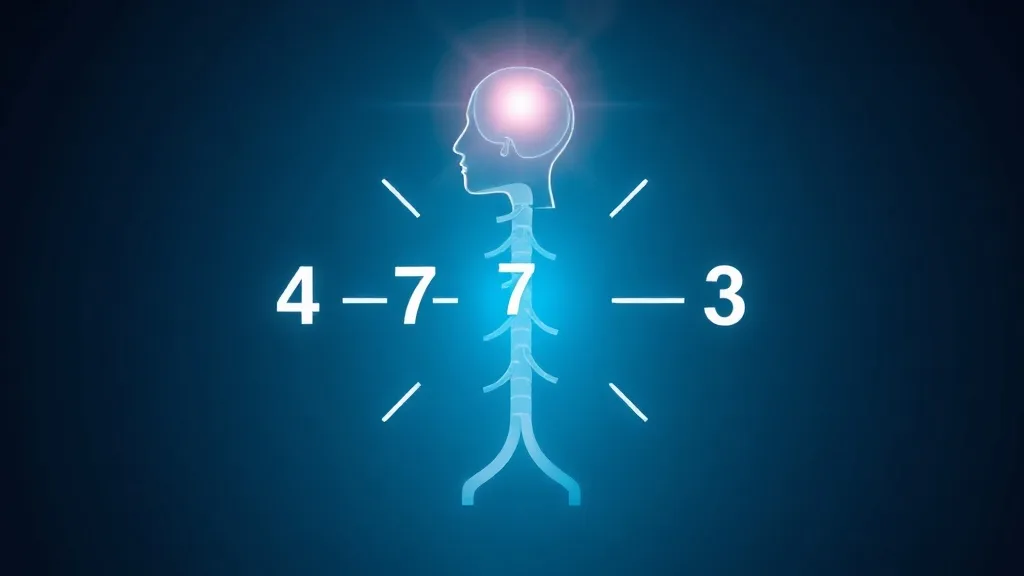
Honestly, when I first heard about timed breathing, I was skeptical. Count to four, hold for seven, exhale for eight? It seemed almost too simple to genuinely tackle the gnawing beast of anxiety. But here's the thing: the 4-7-8 breathing technique isn't just a quirky little trick; it's a direct pathway to calming your nervous system. The whole idea revolves around activating your parasympathetic nervous system – that’s the 'rest and digest' mode – and essentially hitting the brakes on your body’s 'fight or flight' response, which is run by the sympathetic nervous system.
When you're anxious, your sympathetic system kicks into high gear, flooding your body with stress hormones like cortisol. Your heart rate speeds up, your breathing becomes shallow and rapid, and your muscles tense. The beauty of the 4-7-8 breathing technique lies in its ability to reverse this cascade. By extending the exhalation, you're signaling to your vagus nerve – a major player in parasympathetic activity – that it’s time to chill out. A 2019 study published in Physiology & Behavior (n=60) found that paced breathing exercises, particularly those with prolonged exhalation, significantly reduced heart rate and blood pressure in participants experiencing acute stress, confirming what many practitioners have observed for years.
📖 Recommended: How to Stop Obsessing Over Someone: 10 Evidence-Based Strategies
What Research Actually Shows About 4-7-8 Breathing
While the immediate anecdotal evidence for the 4-7-8 breathing technique is strong, scientific inquiry has also begun to shed light on its mechanisms and benefits. For instance, a 2017 study published in the Journal of Health Psychology (n=43, conducted in an emergency department setting) examined the effects of the 4-7-8 breathing technique on anxiety levels in patients awaiting minor surgical procedures. Researchers found a significant reduction in self-reported anxiety scores and a decrease in physiological markers of stress, such as heart rate variability, immediately after just a few cycles of the breathing exercise. This highlights its potential for rapid intervention in high-stress situations.
Further compelling evidence emerged from a 2020 meta-analysis published in Complementary Therapies in Clinical Practice, which reviewed multiple studies on various breathwork practices. While not exclusively focused on 4-7-8, the analysis concluded that slow, deep breathing exercises consistently lead to positive changes in autonomic nervous system function, reducing sympathetic overactivity and enhancing vagal tone. This means your body becomes better at self-regulating its stress response over time with regular practice. Doctors and health organizations like the National Institute of Mental Health often point to such techniques as valuable complementary strategies for managing anxiety disorders alongside traditional treatments.
It’s not just about feeling better in the moment, though that’s certainly a huge plus. The long-term implications are equally significant. Research from Harvard Medical School, often referenced in materials from Harvard Health, consistently emphasizes how mindfulness and controlled breathing practices can alter brain structures related to emotion regulation and stress processing. Regular engagement with exercises like the 4-7-8 breathing technique can lead to increased gray matter in areas like the prefrontal cortex, associated with decision-making and emotional control, essentially rewiring your brain for greater calm.
Mastering the 4-7-8 Breathing Technique: Practical Steps
Ready to give the 4-7-8 breathing technique a try? It’s incredibly simple, which is part of its genius. You can do it anywhere, anytime. All you need is a few minutes and a quiet space, though it can be practiced even amidst chaos.
- Preparation: Find a comfortable position. You can be sitting upright with your back straight or lying down. Place the tip of your tongue against the ridge of tissue just behind your upper front teeth, and keep it there throughout the entire breathing exercise.
- Exhale Completely: Start by exhaling completely through your mouth, making a gentle 'whoosh' sound as you do so. This clears your lungs and prepares them for a full inhale.
- Inhale for 4: Close your mouth and inhale quietly through your nose to a mental count of four. Focus on filling your abdomen and then your chest with air.
- Hold for 7: Hold your breath for a count of seven. This might feel a bit long at first, but try to relax into it. This sustained hold allows oxygen to fully permeate your bloodstream.
- Exhale for 8: Exhale completely through your mouth, again making that gentle 'whoosh' sound, for a count of eight. Make sure your tongue remains in place behind your teeth. This extended exhalation is crucial for activating the parasympathetic response.
- Repeat: This completes one breath cycle. Inhale again and repeat the cycle three more times for a total of four breaths.
- Consistency is Key: Practice this technique at least twice a day. Dr. Weil recommends doing it in the morning to start your day calmly and again before bed to aid sleep. You can also use it anytime you feel stress or anxiety rising.
Common Myths and Misconceptions About Breathwork for Anxiety
Despite its growing popularity, there are still a few myths swirling around breathwork techniques like the 4-7-8 method. Let’s clear some of them up.
Myth: It’s just a placebo effect; deep breathing doesn't actually change anything physiologically. Reality: This couldn't be further from the truth. As mentioned, numerous studies, like the 2017 Journal of Health Psychology research, demonstrate tangible physiological changes, including reductions in heart rate, blood pressure, and alterations in heart rate variability, which is a key indicator of nervous system balance. It’s a direct intervention that modulates your autonomic nervous system, not just a mental trick. Your body responds directly to how you breathe, and slowing it down effectively tells your brain there's no immediate danger.
Myth: You need to be naturally 'good' at meditation or highly flexible to benefit from breathwork. Reality: Absolutely not. The beauty of the 4-7-8 breathing technique is its accessibility. You don’t need any prior experience with meditation, yoga, or special equipment. It can be done by anyone, regardless of their physical fitness or mental state. The simple counting provides a focus, making it easier for beginners to quiet their minds compared to open-ended meditation practices. It's a foundational skill, not an advanced one.
Myth: You have to practice for hours to see results. Reality: While consistency amplifies the benefits, you can experience immediate relief from the 4-7-8 breathing technique within just a few cycles—often within two to three minutes. Many people report feeling calmer and more centered after a single session. For long-term benefits in stress resilience and sleep quality, regular daily practice for just a few minutes, as Dr. Weil suggests, is far more effective than sporadic, lengthy sessions. It's about integration into your daily rhythm, not a marathon.
Frequently Asked Questions
How quickly does the 4-7-8 breathing technique work?
Many individuals report feeling a noticeable sense of calm and relaxation within just one to two minutes of practicing the 4-7-8 breathing technique, often within the first few breath cycles. Its rapid effect is one reason it's so highly recommended for acute anxiety or difficulty falling asleep.
Can I use the 4-7-8 breathing technique for panic attacks?
Yes, the 4-7-8 breathing technique can be a very effective tool during a panic attack. By consciously controlling your breath, you can help interrupt the physiological spiral of a panic attack, signaling to your brain that the immediate threat has passed and calming your nervous system. Consistency in practice outside of attacks can also reduce their frequency and intensity.
Are there any side effects or contraindications for 4-7-8 breathing?
For most people, the 4-7-8 breathing technique is safe and has no adverse side effects. Some beginners might experience a slight lightheadedness at first, which is usually temporary and resolves with practice as your body adjusts. If you have a serious respiratory condition, it's always wise to consult your doctor before starting any new breathing regimen.
How often should I practice the 4-7-8 breathing technique?
Dr. Andrew Weil recommends practicing the 4-7-8 breathing technique at least twice a day, every day, to build consistent benefits. You can also use it whenever you feel stressed, anxious, or have trouble sleeping. The more consistently you practice, the more effective it becomes at regulating your nervous system.
The Bottom Line
It's easy to feel powerless when anxiety takes hold, but the truth is, you possess an incredible tool for self-regulation. The 4-7-8 breathing technique isn't a cure-all, but it's a remarkably effective, scientifically supported method for bringing your body and mind back into balance. Doctors recommend it because it works – consistently and accessibly. Integrating this simple practice into your daily routine can offer a profound sense of control, improve your sleep, and significantly reduce your overall stress levels. Don't underestimate the power of your own breath; it's a constant, always-available anchor in a turbulent world. Give it a try, and see what a difference a few intentional breaths can make.