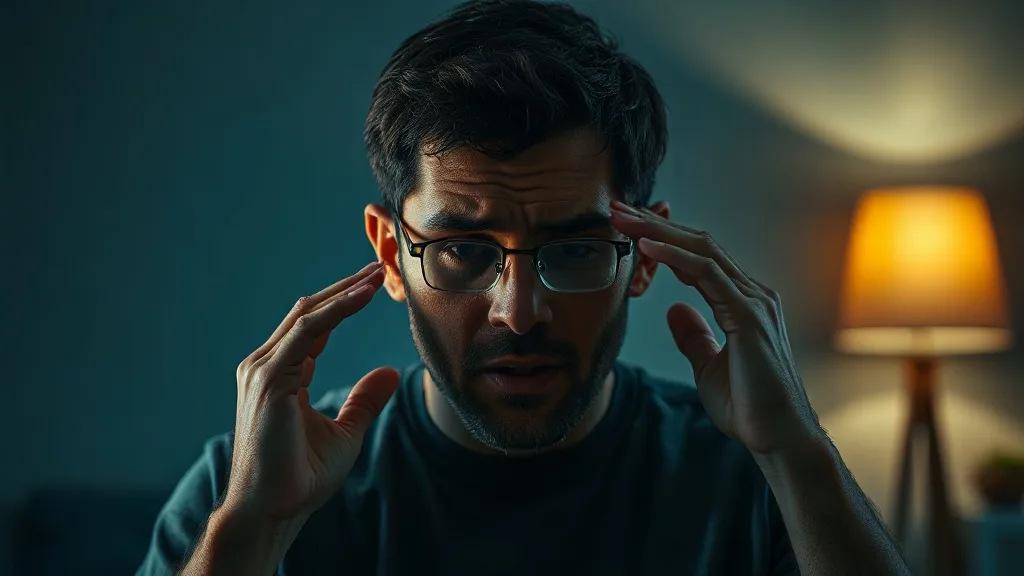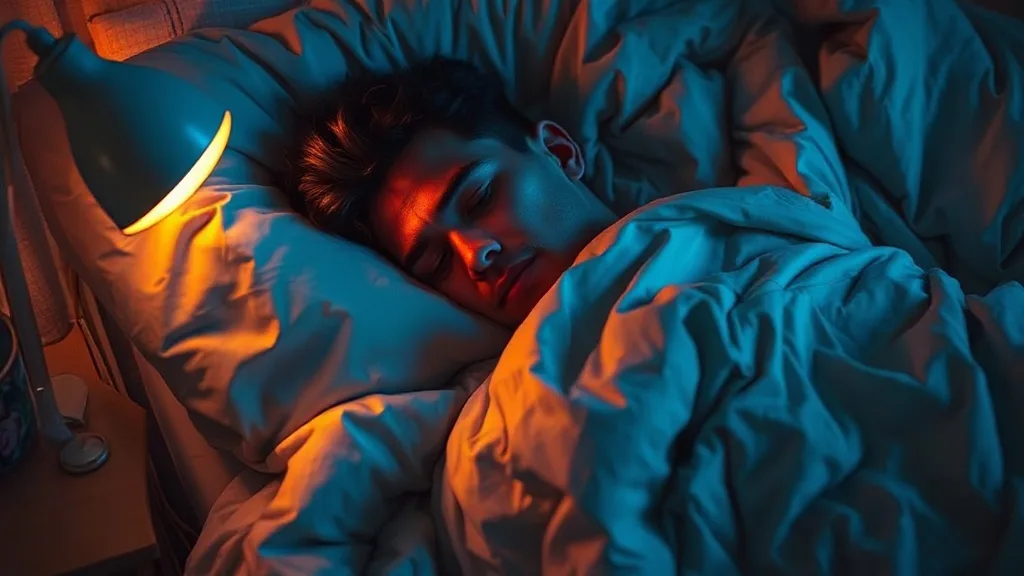
You hit the sack at a reasonable hour, slept a solid eight, maybe even nine hours, and yet, the alarm blares, and you feel like you've wrestled a bear all night. That groggy, heavy-lidded feeling that persists even after what should have been adequate rest is frustrating, isn't it? It's a common complaint, a pervasive tiredness that makes you wonder, why am I tired after sleeping so much? Many of us blindly chase the 'magic 8 hours' without understanding that the duration of sleep is just one piece of a much larger, more intricate puzzle. True rest isn't just about the clock; it's about what happens during those hours. And sometimes, what's happening isn't actually helping you recharge at all.
The Elusive Depths: Understanding Sleep Stages and Cycles
Look, it's not just about shutting your eyes for a chunk of time. Our sleep isn't a single, monolithic state; it's a beautifully orchestrated symphony of distinct stages, each vital for specific restorative processes. Think of it as a journey through different levels of consciousness, and you need to visit each one to feel truly refreshed. We cycle through these stages multiple times a night, and disruptions at any point can leave us feeling surprisingly depleted.
These stages include NREM (Non-Rapid Eye Movement) sleep, divided into three parts, and REM (Rapid Eye Movement) sleep. NREM stages 1 and 2 are lighter, where your body starts to relax and heart rate slows. NREM Stage 3, often called 'deep sleep' or 'slow-wave sleep,' is where the real magic happens for physical restoration, growth hormone release, and immune system repair. Then there's REM sleep, characterized by vivid dreams, muscle paralysis, and intense brain activity, crucial for emotional regulation, memory consolidation, and cognitive function. A 2017 study published in the journal Sleep Medicine Reviews (n=450 adults) highlighted how insufficient deep and REM sleep, even with ample total sleep time, correlated strongly with daytime fatigue and impaired cognitive performance.
📖 Recommended: What Is Love Bombing? 15 Warning Signs It's Happening to You Right Now
Honestly, if you're not getting enough time in those deeper, more restorative stages, your 8 hours might as well be 4. It's like trying to bake a cake but only doing half the steps—it's just not going to come out right. The quality of your time spent in these cycles dictates how you feel when you wake up, far more than the sheer number of hours you logged.
When Your Body Works Against You: Common Underlying Health Issues
Sometimes, the reason you feel so run down, even after a full night, isn't just about bad habits. Your body might be working against you in ways you don't even realize. Underlying medical conditions are often silent saboteurs of restorative sleep, causing that lingering fatigue that makes you ask, why am I tired after sleeping?
Take sleep apnea, for instance. This common disorder involves repeated interruptions in breathing during sleep. Each interruption, even a brief one, causes your brain to briefly rouse you to restart breathing. While you might not remember these dozens or hundreds of awakenings, they prevent you from reaching or sustaining deep sleep stages. A large-scale study published in the New England Journal of Medicine in 2008 examined the impact of sleep apnea on daytime functioning, confirming a strong correlation between untreated sleep apnea and severe daytime sleepiness, even in individuals reporting sufficient sleep duration. If you snore loudly, wake up gasping, or have a partner who notices you stop breathing, it's definitely something to get checked out. The Mayo Clinic offers comprehensive information on identifying and addressing sleep disorders like insomnia and sleep apnea.
Beyond sleep-specific disorders, other health issues can silently steal your energy. Thyroid imbalances, particularly an underactive thyroid (hypothyroidism), can cause profound fatigue and lead to a feeling of sluggishness despite adequate rest. Chronic pain, often accompanied by inflammation, can also severely disrupt sleep, even if you're not consciously aware of the pain throughout the night. Even seemingly minor issues like low iron (anemia) can make you feel constantly drained. It's why doctors will often run blood tests if persistent fatigue is your main complaint; they're looking for these hidden culprits that no amount of extra sleep can fix. The Harvard Health Publishing's sleep section has excellent resources detailing various medical conditions that interfere with quality sleep.
Crafting Your Sanctuary: Practical Steps for Better Sleep
If you've been asking yourself, why am I tired after sleeping, it's time to stop just wondering and start taking action. Improving your sleep isn't about magical cures; it's about consistent, intentional habits that respect your body's natural rhythms. Here’s how you can take control:
- Establish a Consistent Sleep Schedule: Go to bed and wake up at the same time every single day, even on weekends. This helps regulate your body's natural circadian rhythm, making it easier to fall asleep and wake up feeling refreshed.
- Optimize Your Sleep Environment: Make your bedroom a dark, quiet, and cool haven. Block out light with blackout curtains, use earplugs or a white noise machine if needed, and keep the temperature between 60-67°F (15-19°C) for optimal comfort.
- Create a Relaxing Bedtime Routine: Wind down for at least 30-60 minutes before bed. This could involve reading a book (a physical one!), taking a warm bath, practicing gentle stretches, or listening to calming music. Avoid anything stimulating like intense workouts or stressful discussions.
- Limit Blue Light Exposure: The blue light emitted by screens (phones, tablets, computers, TVs) suppresses melatonin production, the hormone that tells your body it's time to sleep. Aim to turn off all screens at least an hour before bedtime.
- Watch Your Diet and Beverage Intake: Avoid caffeine, nicotine, and heavy, fatty meals close to bedtime. While alcohol might initially make you feel drowsy, it fragments sleep later in the night, disrupting REM cycles and leaving you feeling unrested.
- Incorporate Regular Physical Activity: Exercise can dramatically improve sleep quality, helping you fall asleep faster and enjoy deeper sleep. Just make sure to finish any vigorous workouts at least a few hours before bedtime, as elevated body temperature can interfere with falling asleep.
- Manage Stress and Anxiety: Implement daily stress-reduction techniques like meditation, deep breathing exercises, or journaling. Addressing underlying mental health concerns can profoundly impact your ability to achieve restful sleep. Consider speaking with a mental health professional if anxiety or stress feels overwhelming.
- Consider Light Therapy: If you struggle with waking up, a dawn simulator alarm clock can gently wake you with gradually increasing light, mimicking a natural sunrise and potentially reducing sleep inertia. Conversely, exposure to bright natural light early in the morning helps reinforce your circadian rhythm.
Debunking Bedtime Beliefs: Separating Fact from Fiction
The world of sleep is rife with myths, and some of these widely held beliefs can actually be detrimental to your quest for truly restorative rest. Let's bust a few that might be contributing to why you're still tired after 8 hours.
Myth: You can 'catch up' on sleep on the weekends. Reality: While an extra hour or two might temporarily alleviate some fatigue, you can't truly 'pay back' a sleep debt. Chronic sleep deprivation has cumulative negative effects on your health, cognitive function, and mood that a weekend lie-in won't fully erase. Consistently shifting your sleep schedule on weekends can also throw off your circadian rhythm, making it harder to get good sleep during the week—a phenomenon sometimes called 'social jetlag.' A 2019 study in Current Biology (n=36 healthy adults) showed that even a few days of sleep recovery wasn't enough to reverse metabolic dysregulation caused by prior sleep restriction.
Myth: Less sleep means more productivity. Reality: This couldn't be further from the truth. While some people boast about functioning on minimal sleep, prolonged sleep deprivation severely impairs cognitive functions like attention, concentration, problem-solving, and memory. You might be awake longer, but you're almost certainly less effective. Dr. Charles Czeisler, a Harvard Medical School sleep expert, once remarked that being awake for 24 hours is equivalent to having a blood alcohol content of 0.10%—legally drunk in most places. Trying to power through with less sleep often leads to more mistakes and reduced overall output.
Myth: Snoring is harmless. Reality: Not always. While occasional light snoring might be benign, loud, chronic snoring, especially if accompanied by gasps or pauses in breathing, is a hallmark symptom of sleep apnea. As discussed, this condition can lead to severe sleep fragmentation and significant health risks, including increased risk of high blood pressure, heart attack, and stroke. If you or your partner notice these symptoms, it's crucial to seek medical evaluation. Don't dismiss heavy snoring as just a quirky bedtime habit; it could be a sign your sleep quality is severely compromised.
Frequently Asked Questions
Why do I still feel tired even after getting enough sleep?
Feeling tired after sufficient sleep often points to issues with sleep quality rather than quantity. This can be due to fragmented sleep (not spending enough time in deep or REM stages), undiagnosed sleep disorders like sleep apnea, poor sleep hygiene, chronic stress, or underlying medical conditions such as nutrient deficiencies or thyroid problems. It’s less about the hours you spend in bed and more about the restorative depth of that sleep.
Can stress cause me to be tired even after sleeping 8 hours?
Absolutely. Chronic stress significantly impacts sleep quality. Even if you get 8 hours, your sleep may be lighter and less restorative due to elevated cortisol levels, the body's stress hormone. This can lead to increased arousal frequency during the night, preventing you from achieving the deep, restorative sleep necessary to feel truly rested. Managing stress is crucial for improving sleep quality.
What's the difference between sleep quantity and sleep quality?
Sleep quantity refers to the total number of hours you spend asleep. Sleep quality, however, describes how well you sleep during those hours. High-quality sleep involves smoothly transitioning through all sleep stages (NREM 1-3 and REM) without frequent interruptions, waking up feeling refreshed, and maintaining alertness throughout the day. You can get 8 hours (quantity) but still have poor quality sleep if it's fragmented or lacking in deep/REM stages.
When should I see a doctor about persistent tiredness?
If you consistently feel tired despite consistently getting 7-9 hours of sleep and practicing good sleep hygiene for several weeks, it's time to consult a doctor. This is especially true if you experience symptoms like loud snoring, gasping during sleep, restless legs, unexplained weight changes, chronic pain, or significant mood disturbances. A healthcare professional can help identify and treat any underlying medical conditions contributing to your fatigue.
The Bottom Line
Waking up exhausted after 8 hours of sleep isn't just an annoying inconvenience; it's a clear signal that something isn't quite right with your body's most fundamental restorative process. The duration of your sleep is only half the story; the other half is its quality, which can be silently sabotaged by everything from poor habits to undiagnosed health conditions. You're not alone in feeling this way—many people grapple with persistent fatigue despite their best efforts to sleep more. Taking a holistic approach, addressing both your sleep environment and any potential underlying health issues, is key. It might take some detective work, perhaps a few lifestyle adjustments, or even a conversation with your doctor, but reclaiming your energy and experiencing truly restorative sleep is absolutely within your reach. Don't settle for just existing; you deserve to wake up feeling genuinely refreshed and ready to live your day.