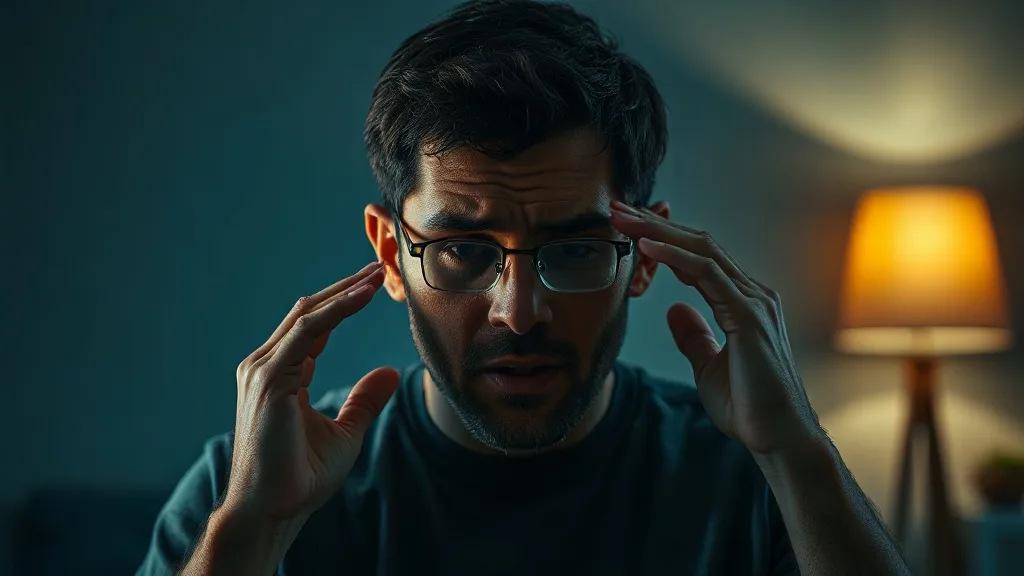
You reach for that familiar mug, the aroma comforting, promising a boost. But within the hour, instead of focus, you get a racing heart, clammy hands, and a mind buzzing with 'what-ifs.' Sound familiar? For countless people, the daily ritual of coffee — or any caffeinated beverage — doesn't bring alertness; it brings a cascade of unsettling symptoms that feel suspiciously like anxiety. This isn't just a caffeine 'buzz' gone wrong; it's a genuine phenomenon known as caffeine anxiety, and it can significantly derail your day, turning a simple pleasure into a source of dread.
Honestly, I've seen this pattern with so many clients over the years, folks who swear they 'need' coffee but then spend their mornings battling internal tremors. They're convinced their anxiety is just 'them,' never quite connecting the dots to their morning brew. It’s a common blind spot, one that leaves many feeling inexplicably on edge, unaware that their daily pick-me-up might actually be picking them apart, psychologically speaking. It’s time we really dig into what’s going on here and how to reclaim your calm.
Understanding Caffeine Sensitivity and Its Effects
Here's the thing: not all bodies process caffeine the same way. What gives one person a gentle lift might send another spiraling into a full-blown panic. This isn't a sign of weakness; it's a matter of individual physiology, deeply rooted in our genetics. Specifically, a gene called CYP1A2 dictates how quickly your liver enzymes break down caffeine. If you're a 'slow metabolizer,' caffeine lingers in your system longer, accumulating to higher concentrations and prolonging its effects. This extended exposure means a greater chance of experiencing its less desirable side effects, including heightened anxiety.
📖 Recommended: How Criminal Profiling Actually Works (Not Like the Movies)
I mean, think about it: if you’ve ever had a friend who can down an espresso at midnight and sleep like a baby, while a single afternoon latte keeps you up until 3 AM, you’ve witnessed this genetic difference firsthand. This metabolic variation explains why some folks seem impervious to caffeine's jitters, while others can practically feel the caffeine molecule bouncing around their brain after just a few sips. It's not just about how much you drink, but how your body handles it.
Moreover, factors like age, liver function, certain medications, and even hormonal changes can influence how your body reacts to caffeine. A 2021 study published in the Journal of Clinical Psychopharmacology (n=387) specifically highlighted how genetic polymorphisms in the adenosine receptor gene (ADORA2A) can modify an individual's susceptibility to caffeine-induced anxiety, demonstrating a clear biological underpinning for these varied responses. So, if you're feeling on edge, it's not all in your head – your body might just be wired differently.
The Science Behind Jitters: How Caffeine Impacts Your Brain
So, what exactly is happening up there when you've had one too many?
Caffeine is a powerful psychoactive substance, and its primary mechanism of action involves blocking adenosine, a neurotransmitter that promotes relaxation and sleepiness. Adenosine builds up throughout the day, telling your brain it's time to slow down. Caffeine essentially puts a wrench in that system, preventing adenosine from binding to its receptors. This means your brain doesn't get the 'slow down' signal, leading to increased neuronal firing and a heightened sense of alertness.
But it doesn't stop there. This adenosine blockade also indirectly leads to an increase in other neurotransmitters like dopamine and norepinephrine, which are excitatory. More importantly, caffeine triggers the release of cortisol, our primary stress hormone. A study published in Psychoneuroendocrinology in 2005 (n=120) found that regular caffeine consumers exhibited elevated cortisol responses to stress, indicating that caffeine can prime the body for a more pronounced stress reaction. While a small amount of cortisol can sharpen focus, too much can lead directly to feelings of unease, apprehension, and even panic. You might feel like you're constantly bracing for something bad to happen, even if there's no objective threat.
This overstimulation is particularly problematic for individuals with a predisposition to anxiety. The brain's natural calming mechanisms are inhibited, while its stimulating pathways are thrown into overdrive. It creates a perfect storm for exacerbating existing anxious tendencies or even initiating panic attacks in sensitive individuals. The American Psychological Association highlights how symptoms like restlessness, nervousness, and difficulty concentrating are hallmarks of anxiety disorders, all of which can be intensified by caffeine consumption, creating a cycle that can be hard to break. You can read more about these connections on the American Psychological Association website.
Practical Steps to Manage Caffeine-Induced Anxiety
Look, you don't necessarily have to break up with coffee entirely. For many, it's about finding that sweet spot — or, more accurately, avoiding the anxious zone. Here’s how you can take control:
- Gradual Reduction: Don't quit cold turkey unless absolutely necessary; that can trigger withdrawal anxiety. Instead, slowly cut back. If you drink three cups a day, try two and a half for a week, then two. This allows your body to adjust without shock.
- Hydration is Key: For every cup of coffee, drink an equal amount of water. Dehydration can mimic anxiety symptoms and exacerbate caffeine's effects. It helps flush your system and keeps your body balanced.
- Mindful Consumption: Pay attention to how you feel after each cup. Note down your symptoms. Are you jittery after one, or does it take two? Understanding your personal threshold is vital for avoiding caffeine anxiety.
- Timing is Everything: Avoid caffeine in the late afternoon or evening. The Mayo Clinic points out that caffeine's half-life can be up to 6 hours, meaning half of it is still in your system long after you've finished your drink, potentially disrupting sleep. You can learn more about sleep cycles and their disruption on the Mayo Clinic website.
- Healthy Alternatives: Explore options like herbal teas, decaf coffee (which still has a tiny bit of caffeine, but significantly less), or even just a warm glass of lemon water. Sometimes, it's the ritual, not just the jolt, that we crave.
- Stress Management Techniques: Since caffeine amplifies stress, actively engaging in stress-reducing activities can help. Practices like deep breathing, meditation, yoga, or even a brisk walk can calm your nervous system. Harvard Health Publishing offers extensive resources on managing stress effectively, which can be a huge help when tackling caffeine anxiety. Explore these techniques at Harvard Health Publishing.
Common Myths and Misconceptions
There’s a lot of chatter out there about caffeine, and not all of it accurate. Let's bust a few myths that often lead people astray when dealing with their morning brew and their nerves.
Myth: "Decaf coffee is completely caffeine-free." Reality: While decaffeinated coffee has significantly less caffeine than its regular counterpart, it's not entirely caffeine-free. An 8-ounce cup of decaf typically contains about 2-15 milligrams of caffeine, compared to 95-200 milligrams in a regular cup. For highly sensitive individuals, even these small amounts can be enough to trigger mild anxiety symptoms, especially if consumed in multiple servings throughout the day. It's important to recognize that 'decaf' means 'de-caffeinated,' not 'no-caffeine,' and adjust your expectations accordingly.
Myth: "If you feel anxious after coffee, you just need to build up your tolerance." Reality: Pushing through the jitters and heightened anxiety in an attempt to build tolerance can actually be counterproductive and harmful. Continuously bombarding your system with a substance that elicits a negative physiological response can reinforce anxiety pathways, elevate baseline stress levels, and lead to a more severe reaction over time. Listening to your body's signals of distress is crucial; these aren't signs to ignore but indicators that your current intake might be exceeding your body's capacity to cope comfortably. It's not about 'toughing it out,' it's about finding harmony.
Frequently Asked Questions
Can caffeine cause a panic attack?
Yes, for individuals sensitive to caffeine or those with pre-existing anxiety disorders, high doses of caffeine can absolutely trigger panic attacks. The surge in adrenaline and cortisol, coupled with an overstimulated nervous system, can mimic the physiological sensations of a panic attack, leading to intense fear and distress.
How much caffeine is too much if I have anxiety?
This varies greatly by individual. While the FDA suggests 400 mg/day (about 4 cups of coffee) as a safe general limit, if you experience anxiety, even 50-100 mg (1 cup of coffee or less) might be too much. It's crucial to experiment slowly and identify your personal threshold, starting with very small amounts and observing your reaction.
Are there alternatives to coffee that won't cause anxiety?
Absolutely. Many people find comfort in herbal teas like chamomile or peppermint. Chicory root coffee offers a similar flavor profile without caffeine. Matcha tea contains L-theanine, which can promote calm alertness, counteracting some of the caffeine's jittery effects, making it a potentially gentler alternative if consumed in moderation.
How long does caffeine anxiety last?
The effects of caffeine typically last 4 to 6 hours, but its impact can linger in some individuals for much longer, up to 10 hours or more, depending on metabolism. This means caffeine anxiety symptoms can persist for several hours after consumption, gradually diminishing as your body processes and eliminates the caffeine from your system.
The Bottom Line
Your morning cup of coffee, or any caffeinated beverage, shouldn't be a source of discomfort or dread. If you've been grappling with inexplicable jitters, a racing heart, or a mind that won't quiet down, it's worth taking an honest look at your caffeine intake. Recognizing the signs of caffeine anxiety is the first step toward reclaiming your peace of mind. By understanding your body's unique response and implementing thoughtful adjustments, you can find a harmonious balance that allows you to feel energized without feeling overwhelmed. It’s about listening to your body and giving it what it truly needs, not just what habit dictates.