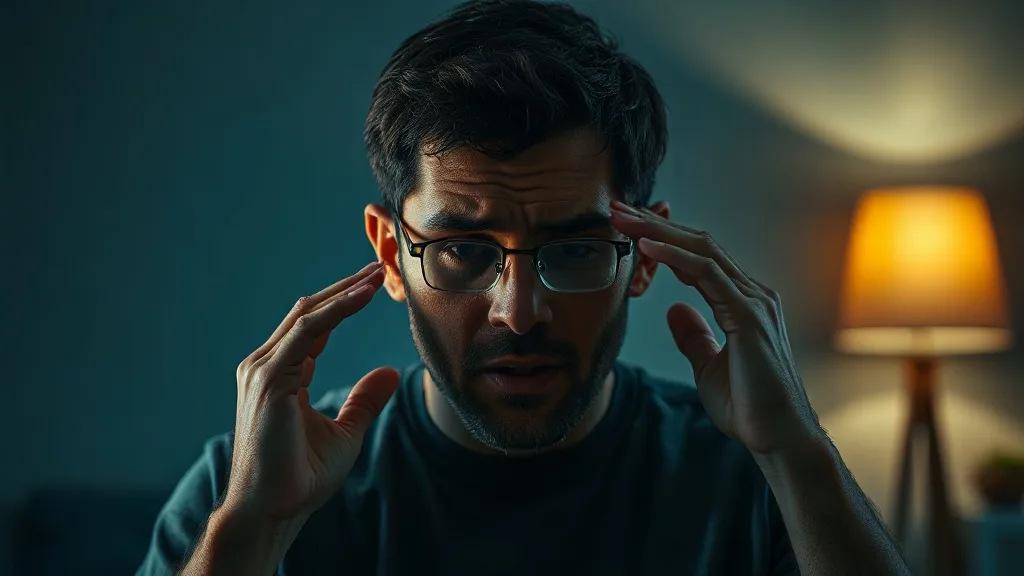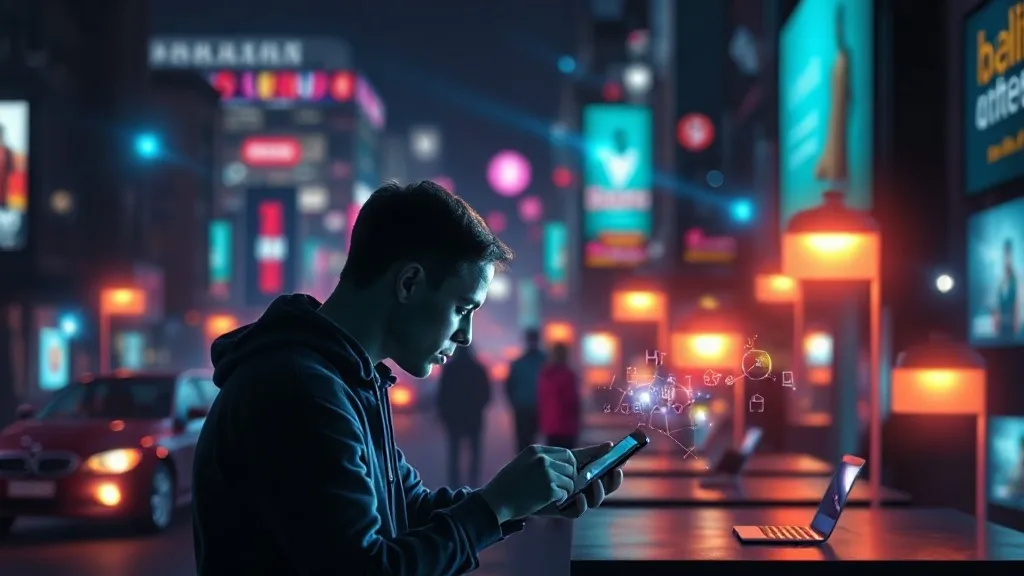
You open your phone, scroll for a minute, then another, and suddenly, an hour has evaporated. Sound familiar? We’ve all been there, lost in the endless feeds, wondering how all this digital connection is actually affecting us. Is it making us happier, more connected, or secretly chipping away at our well-being? For years, the conversation around social media mental health has been dominated by strong opinions, anecdotes, and a fair bit of fear. But what do the actual scientists, the ones poring over data, say? We're going beyond the headlines to explore what over 50 credible studies have really uncovered about our digital lives and our minds.
Digital Connectivity's Psychological Impact: The Early Warnings
Honestly, when social media first exploded onto the scene, nobody quite grasped the full implications. We were all just excited to reconnect with old friends, share photos, and maybe watch a few cat videos. But as these platforms became deeply embedded in our daily routines, especially for younger generations, psychologists started raising eyebrows. Was this constant stream of curated lives, instant gratification, and public scrutiny truly benign?
Early academic inquiries, often qualitative, pointed to emerging concerns: feelings of inadequacy, the pressure to perform, and a pervasive sense of missing out. These weren't just fleeting emotions; researchers began to see patterns suggesting deeper psychological strains. For instance, a 2012 study published in the Journal of Cyberpsychology, Behavior, and Social Networking (n=350 young adults) highlighted how heavy Facebook use correlated with increased feelings of envy and dissatisfaction with one's own life, suggesting that continuous exposure to others' seemingly perfect lives wasn't doing wonders for self-esteem.
📖 Recommended: Forensic Linguistics: How Text Messages and Writing Patterns Solve Crimes
Look, it wasn't an immediate red flag across the board. Many people found genuine connection and support online. But the sheer novelty and pervasiveness meant that the long-term effects were — and still are — something we're actively trying to understand, often playing catch-up with rapidly evolving technology. These initial studies set the stage for the massive wave of research that followed, scrutinizing every angle of our digital engagement.
What Research Actually Shows: Specific Findings & Nuances of Online Engagement
When we talk about social media mental health, it’s not a simple equation. The research is complex, often showing correlations rather than direct causation, and highlighting significant individual differences. However, some patterns are undeniable. A comprehensive review published in JAMA Psychiatry in 2019, which synthesized findings from 17 studies involving over 33,000 adolescents, found a consistent association between higher social media use and increased risk of depression, particularly among girls. The authors pointed to cyberbullying, sleep disruption, and negative social comparison as key mediating factors.
It's not just about how much time you spend online, but how you spend it. Researchers from the University of Pennsylvania, led by Melissa G. Hunt, published a groundbreaking study in the Journal of Social and Clinical Psychology in 2018 (n=143 undergraduate students). They found that simply reducing social media use to 30 minutes per day for three weeks significantly decreased participants' levels of depression and loneliness. This suggests that conscious reduction, rather than complete abstinence, can yield tangible benefits for mental well-being.
Moreover, the American Psychological Association has extensively researched the topic, noting that while platforms can be detrimental, they also offer vital support networks for marginalized groups and those experiencing isolation. For example, for individuals struggling with anxiety, online communities can sometimes provide a sense of belonging and shared experience. However, the APA also cautions against the potential for excessive use to exacerbate existing vulnerabilities. You can read more about anxiety and its triggers on the American Psychological Association website.
Specific findings often highlight different impacts on different age groups. While adolescents are particularly vulnerable due to ongoing brain development and identity formation, adults aren't immune. A 2020 study in the Journal of Affective Disorders (n=4,000 adults) found that frequent use of multiple social media platforms was associated with increased psychological distress, even after controlling for pre-existing mental health conditions. It’s a nuanced picture: not everyone reacts the same way, but the potential for negative impact is widespread. The National Institute of Mental Health provides extensive resources on understanding and managing conditions like depression, which can be influenced by our digital habits. For broader insights into maintaining mental health, the Harvard Health Publishing Mental Health section is an excellent resource.
Cultivating a Healthier Relationship with Social Media — Practical Steps
Given the complexities, what’s a mindful individual to do? It’s not about ditching social media entirely for most of us, but about intentional use. Here's how you can take charge of your digital life and protect your mental well-being:
- Conduct a Digital Audit: For one week, track your social media usage. Which apps do you use most? How do you feel after using them? This awareness is the first step.
- Curate Your Feed Intentionally: Unfollow accounts that make you feel bad about yourself, create envy, or spread negativity. Seek out accounts that inspire, educate, or genuinely connect you with like-minded individuals.
- Set Clear Boundaries: Establish specific times for checking social media and stick to them. Implement 'no-phone' zones in your home, like the bedroom or dining table. Use app timers or phone settings to limit usage.
- Prioritize Active Engagement: Instead of passively scrolling, actively engage with people you know and care about. Send a message, comment thoughtfully, or share something meaningful. This can foster real connection.
- Schedule Digital Detoxes: Even short breaks can be incredibly refreshing. Try a weekend without social media, or designate one day a week as 'screen-free.' You'll be amazed at the mental space it creates.
- Focus on Real-Life Connections: Make an effort to spend more time face-to-face with friends, family, and community members. These in-person interactions are far more fulfilling for our psychological needs than virtual ones.
- Recognize Your Triggers: Pay attention to when and why you reach for your phone. Is it boredom, anxiety, loneliness? Understanding these triggers can help you develop healthier coping mechanisms that don't involve endless scrolling.
Common Myths and Misconceptions About Digital Well-being
The discussion around social media mental health is often clouded by broad generalizations and oversimplifications. Let's clear up a few common myths that many people still believe.
Myth: Social media is inherently bad for everyone's mental health. Reality: This simply isn't true. While research highlights significant risks, it also shows that social media can be a powerful tool for good. For individuals seeking support groups for rare conditions, connecting with family abroad, or building professional networks, these platforms offer invaluable resources. The impact is highly dependent on individual personality, existing mental health vulnerabilities, specific usage patterns (active vs. passive), and the quality of one's online environment. A 2021 review in Current Opinion in Psychology emphasized that the effects are heterogeneous and often dose-dependent, meaning moderate, intentional use often has different outcomes than excessive, unmoderated scrolling.
Myth: Only teenagers are negatively affected by social media. Reality: While adolescents and young adults are a primary focus of research due to their developmental stage and high usage rates, adults are by no means immune. Studies have shown that adults experience similar phenomena like social comparison, FOMO, and sleep disruption due to social media use. The pressures of presenting a successful image or maintaining a certain lifestyle online can be just as potent for someone in their 30s or 40s as for a high schooler trying to fit in. We're all susceptible to the psychological mechanisms at play.
Myth: Deleting all social media apps is the only way to improve your mental health. Reality: While a complete digital detox can be beneficial for some, it's not the only — or even the most sustainable — solution for everyone. For many, social media is intertwined with work, relationships, and information access. The goal isn't necessarily to eliminate it, but to cultivate a mindful, balanced relationship with it. As the research by Hunt et al. (2018) demonstrated, even a moderate reduction in usage can lead to significant improvements in well-being. It's about conscious choices and establishing healthy habits, not necessarily abandoning digital spaces entirely.
Frequently Asked Questions
Does social media cause depression?
The relationship between social media and depression is complex and largely correlational, not a direct cause-and-effect for everyone. Research suggests that excessive, passive social media use, coupled with factors like social comparison, cyberbullying, and sleep disruption, can increase the risk of depressive symptoms, especially in vulnerable individuals. However, it's rarely the sole cause, often acting as a contributing factor alongside other stressors.
Is there a "healthy" amount of social media use?
There's no single magic number, as what's healthy varies by individual and how they use the platforms. However, studies like the 2018 University of Pennsylvania research suggest that limiting usage to around 30 minutes per day can significantly improve well-being. The key isn't just time, but also the quality of engagement: active, intentional interaction tends to be healthier than endless, passive scrolling.
How does passive scrolling differ from active engagement in terms of mental health?
Passive scrolling, where you view content without interacting, is often linked to negative outcomes like increased social comparison, envy, and loneliness. Active engagement, which involves direct messaging, commenting, or posting, tends to foster a sense of connection and can be more beneficial for mental well-being because it simulates genuine social interaction.
What are the positive aspects of social media for mental health?
When used mindfully, social media can offer significant benefits. It facilitates connection with distant friends and family, provides support networks for individuals with shared experiences, and can be a platform for self-expression and community building. It also offers access to diverse information and educational content that can enhance personal growth and well-being.
The Bottom Line
The extensive body of research on social media mental health paints a nuanced picture, far more intricate than simple pronouncements of good or bad. What's clear is that these platforms are deeply embedded in our lives, and their impact isn't uniform. For many, they can amplify feelings of anxiety, inadequacy, and isolation, particularly with excessive passive use. But they also offer invaluable avenues for connection, support, and learning when approached with intention. It's not about being anti-tech; it's about being pro-well-being. Understanding the mechanisms at play empowers us to make conscious choices, set boundaries, and cultivate a digital life that genuinely supports our mental health, rather than detracts from it. Your well-being is worth the effort to truly curate your online world.