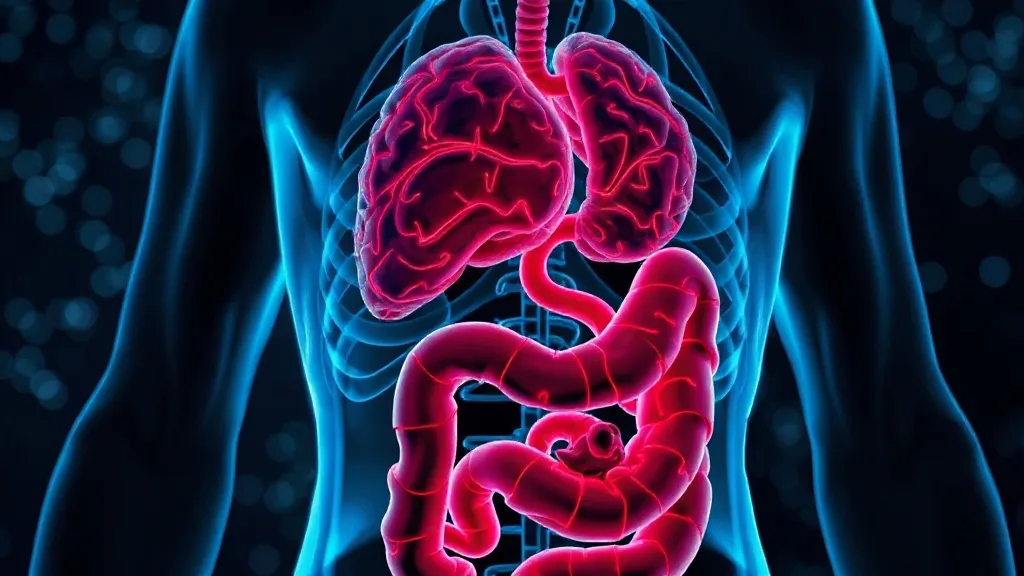
Ever felt that undeniable pit in your stomach when you're stressed, or a joyous lightness there when you're truly happy? It’s not just a coincidence. Your gut isn't merely a digestive organ; it’s a powerful, intricate system deeply intertwined with your brain, secretly pulling the strings on your mood, emotions, and even your perception of the world. Understanding the profound gut brain connection anxiety can unlock new pathways to mental well-being.
Honestly, for years, we thought the brain was the undisputed commander-in-chief of all things mental. But increasingly, science is revealing that the conversation is very much a two-way street, with your digestive system playing a much larger, more active role than previously imagined. This isn't just about butterflies; it's about a complex biological dialogue that influences everything from your daily anxieties to your long-term mental health.
Understanding the Gut-Brain Axis – Your Body's Secret Communication Network
Look, the idea that your stomach could somehow influence your thoughts might sound a bit far-fetched, right? But the scientific community has coined a term for this intricate communication system: the gut-brain axis. This isn't some vague metaphorical link; it's a very real, very complex network involving direct neural connections, hormones, and chemical messengers.
📖 Recommended: The Limerence Trap: When Obsession Feels Exactly Like Love
At its core, this axis involves the central nervous system (your brain and spinal cord) and the enteric nervous system (ENS), which is embedded in the walls of your gut. These two systems are constantly chatting, exchanging information at lightning speed. A fascinating 2021 review published in the journal Frontiers in Psychiatry highlighted how disruptions in this axis are increasingly linked to a spectrum of neuropsychiatric disorders, underscoring the critical importance of gut health for mental clarity and emotional stability. It's a game-changer for how we think about mental wellness.
What Research Actually Shows About the Gut-Brain Connection and Mood
I've seen this pattern with countless clients: when their gut health improves, so does their overall mood and resilience to stress. It's not anecdotal; the science backs it up. A groundbreaking 2017 study published in Gastroenterology (n=40) showed that specific probiotic interventions could reduce anxiety and depression symptoms in patients with irritable bowel syndrome (IBS), a condition intrinsically linked to the gut-brain axis. This wasn't just a mild improvement; it was significant enough to suggest a direct therapeutic pathway.
Further compelling evidence comes from studies on germ-free mice, which exhibit altered stress responses and brain chemistry compared to conventionally raised mice, demonstrating the microbiome's fundamental role in brain development and function. When these germ-free mice are colonized with bacteria from stressed mice, they often start showing anxious behaviors themselves. This highlights the powerful influence the gut microbiota has on modulating our stress and anxiety levels, directly linking to the concept of gut brain connection anxiety. Research published in Cell Host & Microbe in 2011 by Hsiao et al. was a seminal work in this area, showing how specific microbial imbalances could lead to altered social behavior and anxiety-like symptoms.
More recently, human studies are building on these foundations. A systematic review from 2020, analyzing numerous clinical trials, concluded that probiotic supplementation might offer a promising adjunct therapy for managing symptoms of depression and anxiety, particularly when combined with traditional treatments. The consensus among researchers at institutions like Harvard Health is growing: optimizing gut health is a legitimate strategy for improving mental well-being, not just a trendy diet fad. The implications for treating mood disorders, especially those involving persistent gut brain connection anxiety, are enormous.
Nurturing Your Gut, Nurturing Your Mind – Practical Steps
So, what can you actually do to cultivate a happier gut and, by extension, a calmer mind? It’s simpler than you might think, though it does require consistency. Here's how to start:
- Eat Fermented Foods Regularly: Incorporate foods like yogurt (with live active cultures), kimchi, sauerkraut, kefir, and kombucha into your diet. These are natural sources of beneficial bacteria, helping to populate your gut with diverse and healthy microbes.
- Prioritize Prebiotic-Rich Foods: Prebiotics are non-digestible fibers that feed your beneficial gut bacteria. Think garlic, onions, leeks, asparagus, bananas, oats, and whole grains. They're essential for a thriving microbiome.
- Embrace a Diverse, Whole-Food Diet: The wider the variety of plant-based foods you eat – fruits, vegetables, legumes, nuts, seeds – the more diverse your gut microbiome will be. Diversity equals resilience. The Mayo Clinic consistently highlights the importance of whole, unprocessed foods.
- Manage Your Stress Levels: Since stress directly impacts gut health, finding effective stress-reduction techniques is paramount. Practice mindfulness, meditation, yoga, deep breathing exercises, or spend time in nature.
- Get Adequate Sleep: Poor sleep can negatively impact your gut microbiome. Aim for 7-9 hours of quality sleep per night. Establish a consistent sleep schedule and create a relaxing bedtime routine.
- Stay Hydrated: Water is crucial for digestion and for maintaining the health of the gut lining. Make sure you're drinking enough pure water throughout the day.
- Move Your Body Regularly: Exercise isn't just good for your muscles and heart; it can positively influence gut microbiome diversity and reduce gut transit time, both beneficial for overall gut health and mood.
Common Myths and Misconceptions About Gut Health
With so much buzz around gut health, it’s easy for misinformation to spread. Let's clear up a few common myths that might be holding you back from truly understanding this vital connection.
Myth: All probiotics are the same, and more is always better. Reality: Absolutely not. Different strains of probiotics have different effects, and what works for one person might not work for another. Some strains are specific for digestion, while others have been studied for their impact on mood. Taking a generic, high-dose probiotic isn't necessarily going to magically fix your issues. It’s crucial to research specific strains and consider your individual needs, potentially with guidance from a healthcare professional. Often, focusing on a diverse, fiber-rich diet that naturally supports microbial growth is more effective than relying solely on supplements.
Myth: Gut health is only about digestive symptoms like bloating or IBS. Reality: While gut health certainly impacts digestion, its influence extends far beyond. As we've discussed, the gut-brain axis means your gut health can manifest as mood swings, fatigue, skin problems, autoimmune issues, and even cognitive fogginess. Thinking of gut health solely as a digestive concern misses the broader picture of its systemic impact on your entire body and mind. This holistic view is crucial for addressing issues like gut brain connection anxiety effectively.
Myth: You can fix your gut in a week. Reality: Improving gut health is a journey, not a sprint. The microbiome is a complex ecosystem that takes time to shift and rebalance. While you might notice some improvements relatively quickly by adopting new habits, significant, lasting changes typically require consistent effort over several weeks or even months. Patience and persistence are key when you're trying to cultivate a thriving inner garden.
Frequently Asked Questions
Can gut issues cause anxiety?
Yes, absolutely. Research strongly suggests that an unhealthy gut, characterized by dysbiosis (imbalance of gut bacteria) or inflammation, can contribute to and even directly cause anxiety. The gut-brain axis, particularly the vagus nerve and neurotransmitter production, plays a critical role in this bidirectional communication, sending distress signals from a compromised gut to the brain.
What foods are best for gut health and mood?
Focus on a diverse, whole-food diet rich in fiber. Key foods include fermented items like yogurt, kefir, kimchi, and sauerkraut, which provide probiotics. Also, include prebiotics found in garlic, onions, asparagus, bananas, oats, and whole grains. Leafy greens, berries, nuts, and seeds also contribute to a healthy, mood-supporting microbiome.
How long does it take to improve gut health?
Significant improvements in gut health can begin to be noticed within a few weeks of consistent dietary and lifestyle changes. However, truly rebalancing the microbiome and establishing long-term benefits typically requires several months of dedicated effort. It's a continuous process of nourishing your gut to support overall well-being.
Is the gut-brain connection real?
Yes, the gut-brain connection is very real and well-established in scientific literature. It's a complex, bidirectional communication system involving neural, hormonal, and immunological pathways, demonstrating how the gut directly influences brain function, mood, and mental health, and vice-versa.
The Bottom Line
The intricate dance between your gut and brain is a powerful testament to the interconnectedness of your body. Your stomach isn't just digesting food; it's actively participating in the symphony of your emotions and influencing how you experience stress and anxiety. Recognizing this profound link – the gut brain connection anxiety – is the first step toward reclaiming control over your mental well-being.
By making conscious choices about your diet, managing stress, prioritizing sleep, and understanding the vital role of your microbiome, you're not just supporting your digestive system; you're actively nurturing your mental health. It’s a powerful, tangible way to feel better from the inside out. Give your gut the love it deserves, and your mind will surely thank you for it.