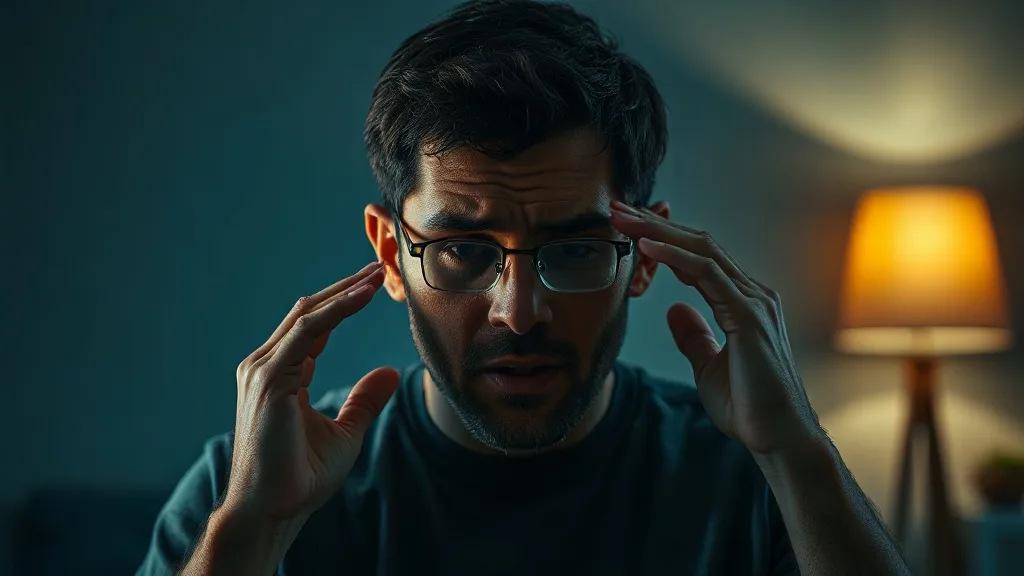
You know the feeling, don't you? That bone-deep weariness that no amount of sleep can fix. The cynicism that colors every interaction, even with people you genuinely like. The sense that no matter how hard you work, it's never enough, and you're just not performing like you used to. Sound familiar? You're likely experiencing burnout, a state of complete emotional, physical, and mental exhaustion caused by prolonged or excessive stress. This isn't just everyday fatigue; it's a serious condition recognized by the World Health Organization since 2019 as an occupational phenomenon. And if you're wondering about your personal burnout recovery time, you're not alone. The answer is rarely simple, often complex, and almost always longer than you hope.
Defining Burnout: More Than Just Being Tired
Honestly, when I first heard the term 'burnout,' I thought it was just a fancy word for being really, really stressed. But it’s so much more insidious than that. Burnout manifests as three distinct dimensions: overwhelming exhaustion, feelings of cynicism or detachment from your job, and a sense of ineffectiveness and lack of accomplishment. It's not just that you're tired; you're *empty*, and you feel like you've got nothing left to give. This isn't a weekend recovery situation; it's a profound systemic depletion.
Look, the symptoms aren't just mental. Burnout can bring a host of physical ailments too – chronic headaches, digestive issues, increased susceptibility to illness, and persistent insomnia. A 2021 study published in the Journal of Occupational Health Psychology (n=1,200 professionals) found a strong correlation between high burnout scores and elevated markers of inflammation and weakened immune response. It’s your body screaming for a break, even if your mind is still trying to push through. Ignoring these signs only deepens the hole you're in, making the road back even longer.
📖 Recommended: Work-Life Balance Is a Myth: Here's What to Do Instead
Here's the thing: burnout isn't a personal failing. It’s often a symptom of systemic issues – demanding work environments, lack of control, insufficient rewards, unfairness, conflicting values, or a lack of community. A 2023 meta-analysis by researchers at Stanford, reviewing data from over 50 studies and 15,000 participants, concluded that organizational factors, rather than individual resilience, were the primary drivers of burnout prevalence. Understanding this distinction is the first critical step toward genuine recovery, because it shifts the focus from 'what's wrong with me?' to 'what needs to change?'
What Research Actually Shows About Burnout Recovery Time
So, what's the real deal with how long it takes? The truth is, there's no single magic number, but research gives us some solid estimates. For individuals experiencing moderate burnout, the burnout recovery time often ranges from three months to a year. A comprehensive 2017 study by researchers at the University of Montreal, tracking 880 employees diagnosed with burnout, suggested that significant improvement in symptoms typically occurred between 6 to 12 months, with some individuals still reporting residual issues after 18 months. This underscores that it's a marathon, not a sprint.
For more severe cases, where physical health has significantly deteriorated or mental health conditions like depression have co-occurred, the timeline can stretch even longer – sometimes over two years. A 2019 review published in the Journal of Health and Social Behavior highlighted that individuals requiring medical leave for burnout often needed an average of six to eight months off work for initial recovery, followed by a phased return and continued therapeutic support. This kind of extensive recovery period is a stark reminder of how deeply burnout can impact your entire system. It's not just about taking a few days off; it's about systemic repair.
Moreover, the concept of 'full recovery' is nuanced. While many return to previous levels of functioning, some individuals report a lasting sensitivity to stress or a permanent shift in priorities. According to Harvard Business Review, preventing recurrence often means not just recovering, but fundamentally changing the conditions that led to burnout in the first place. This means that while acute symptoms may subside in months, the journey of sustained well-being and preventing relapse is an ongoing commitment to different habits and boundaries. For more information on managing stress that contributes to burnout, the Mayo Clinic offers excellent resources.
Personalized Recovery Pathways — Practical Steps
Recovery isn't a one-size-fits-all formula. It requires a tailored approach, but certain foundational steps are universally beneficial. This isn't just about 'self-care Sundays'; it's about consistent, deliberate action.
- Prioritize Rest and Sleep: This isn't just about lying down; it's about genuinely disconnecting and allowing your body and mind to heal. Aim for 7-9 hours of quality sleep nightly, and integrate short breaks or naps during the day if possible. Rest means truly resting, not scrolling on your phone.
- Nourish Your Body: Burnout depletes your physical resources. Focus on nutrient-dense foods – plenty of fruits, vegetables, lean proteins, and whole grains. Limit processed foods, excessive caffeine, and alcohol, which can further disrupt sleep and energy levels. Hydration is also incredibly important.
- Incorporate Gentle Movement: High-intensity workouts might feel counterproductive when you're exhausted. Instead, opt for gentle activities like walking, yoga, tai chi, or stretching. The goal is to move your body, release tension, and improve circulation without adding more stress.
- Set Radical Boundaries: This is non-negotiable. Learn to say no. Disconnect from work emails after hours. Protect your personal time fiercely. These boundaries aren't selfish; they're essential for your survival and for preventing a relapse.
- Re-evaluate Your Work Environment: Can you delegate? Can you reduce your workload? Can you negotiate flexible hours or a different role? Sometimes, a complete job change is necessary. Be honest about what's sustainable for you.
- Practice Mindfulness and Stress Reduction: Meditation, deep breathing exercises, spending time in nature – these practices can help calm your nervous system and bring you back into your body. Even 10-15 minutes a day can make a significant difference.
- Seek Professional Support: Don't try to go it alone. A therapist specializing in burnout can provide strategies, coping mechanisms, and a safe space to process your feelings. Your doctor can also rule out underlying medical issues and offer guidance.
- Reconnect with Hobbies and Joy: What did you used to love doing before burnout stole your energy? Reintroduce activities that bring you genuine pleasure, even if they feel small at first. Re-engaging with sources of joy is a powerful antidote to cynicism.
Common Myths and Misconceptions About Burnout Recovery
There are so many unhelpful ideas floating around about burnout, and believing them can seriously derail your recovery. Let’s bust a few myths right now, because clarity helps you focus on what actually works.
Myth: Burnout is just about being lazy or not being tough enough. Reality: This couldn't be further from the truth. Burnout often strikes the most dedicated, ambitious, and high-achieving individuals. It's not a sign of weakness; it's a sign that you've been pushing yourself too hard for too long, often in unsustainable conditions. A 2020 study in Psychological Medicine found that perfectionism and a strong sense of responsibility were actually risk factors for burnout, precisely because these individuals often ignore their own needs until it's too late. It’s a systemic issue, not a personal character flaw.
Myth: A long vacation will cure burnout. Reality: While a break is absolutely necessary, a vacation alone is rarely enough to fix deep-seated burnout. Think of it this way: if your car's engine light has been on for months, a car wash isn't going to fix the underlying mechanical problem. A vacation provides temporary relief, but if you return to the same toxic environment or unsustainable habits, the symptoms will quickly resurface. True recovery demands fundamental shifts in lifestyle, work boundaries, and sometimes, even your career path. It’s about changing the system, not just escaping it for a bit.
Myth: You can just 'power through' burnout. Reality: Attempting to 'power through' burnout is like trying to heal a broken leg by running a marathon. It will only make things worse, potentially leading to more severe health issues, deeper emotional exhaustion, and a longer overall burnout recovery time. Burnout signals a profound depletion of resources; pushing harder only drains the last reserves. It’s a signal to *stop*, rest, and recalibrate, not to accelerate. Ignoring it can lead to serious physical and mental health consequences, including increased risk of depression and anxiety, as highlighted by the American Psychological Association.
Frequently Asked Questions
How do I know if I'm burned out or just stressed?
While stress and burnout share symptoms like fatigue, burnout is more chronic and pervasive. Stress often involves feeling overwhelmed and engaged, but still able to cope. Burnout, however, is characterized by a complete sense of emotional exhaustion, cynicism, and feeling detached from your work, coupled with a decreased sense of accomplishment. It's when coping mechanisms fail, and you feel utterly depleted and ineffective.
Can I recover from burnout without quitting my job?
Yes, often you can, but it requires significant effort and negotiation. Recovery without quitting typically involves setting firm boundaries, delegating tasks, seeking support from management, taking extended leave, and making fundamental changes to your work-life balance. If the core issues of your job (e.g., toxic culture, impossible demands) remain unaddressed, however, quitting might be the only sustainable long-term solution.
What's the difference between burnout and depression?
While their symptoms overlap significantly (fatigue, lack of motivation, feelings of hopelessness), burnout is specifically linked to chronic occupational stress. Depression, on the other hand, is a broader mood disorder that can occur independently of work stressors and often includes a wider range of symptoms like anhedonia (loss of pleasure in all activities) and pervasive sadness. Burnout can, however, be a precursor to or co-exist with clinical depression, making professional diagnosis and treatment essential.
When should I seek professional help for burnout?
You should seek professional help – from a doctor, therapist, or counselor – as soon as you recognize persistent symptoms of burnout that don't improve with rest or basic self-care. If you're experiencing severe physical symptoms, pervasive emotional numbness, thoughts of self-harm, or your burnout is significantly impacting your daily functioning and relationships, professional intervention is critical. Early intervention can significantly shorten your overall burnout recovery time.
The Bottom Line
Burnout is a serious challenge, but it's not a life sentence. The journey to recovery is deeply personal and will take time – often months, sometimes even longer than a year. There are no shortcuts, no magic pills. It demands radical self-honesty, a willingness to make fundamental changes, and a commitment to prioritizing your well-being above all else. Understand that healing is not linear; there will be good days and bad. Be patient with yourself, embrace the process of rediscovery, and don't hesitate to lean on professional support and your personal village. You can, and will, find your way back to a place of energy, engagement, and purpose.