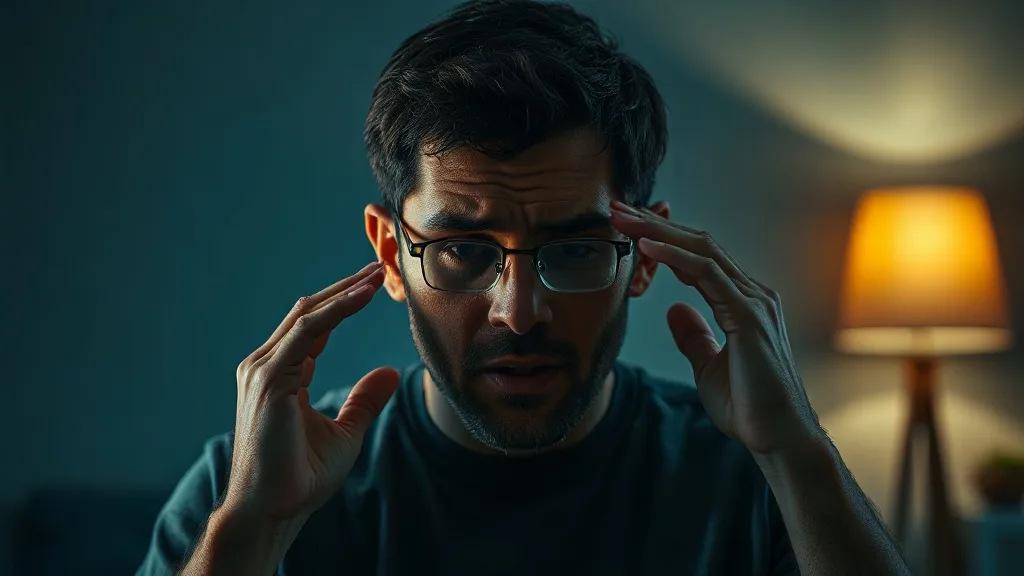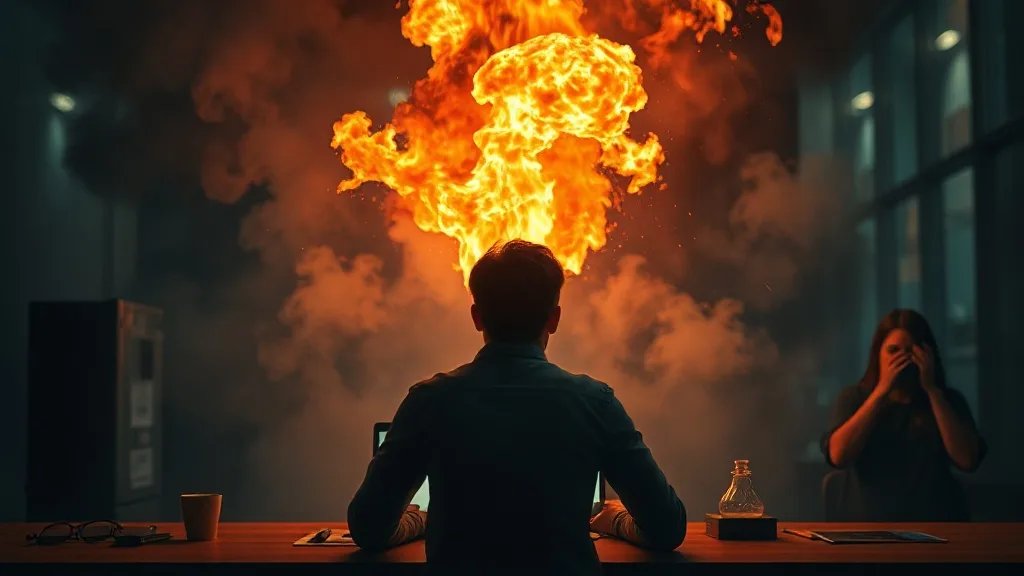
You wake up feeling like you’ve run a marathon, despite a full eight hours of sleep. Your once-exciting job now feels like an endless, gray treadmill. You snap at loved ones for no real reason, and the hobbies you used to cherish? They just feel like another chore. If this sounds painfully familiar, you're not alone. Many of us dismiss these subtle shifts as "just stress" or "a bad week," but often, they’re actually the crucial burnout warning signs early on, signaling a deeper problem brewing beneath the surface. Ignoring them can lead to serious consequences for your mental and physical health.
Unpacking Burnout Syndrome: More Than Just Stress
Look, we all get stressed. Deadlines, family drama, financial worries — that’s life, right? But burnout isn't just a bad day or even a particularly stressful month. It's a specific syndrome, defined by the World Health Organization (WHO) in the International Classification of Diseases (ICD-11) as an occupational phenomenon resulting from chronic workplace stress that hasn't been successfully managed. It’s characterized by three dimensions: feelings of energy depletion or exhaustion; increased mental distance from one’s job, or feelings of negativism or cynicism related to one’s job; and reduced professional efficacy.
Here's the thing: it’s insidious. It creeps up on you, often making you feel like you're the problem, not the circumstances. A 2023 meta-analysis published in the Journal of Occupational Health Psychology (n=4,500 across various professions) highlighted that while acute stress can be motivating, chronic, unmanaged stress leads to a severe drain on resources, both psychological and physical, fundamentally altering how an individual interacts with their work and life. It's a state of emotional, physical, and mental exhaustion caused by prolonged or excessive stress.
📖 Recommended: Work-Life Balance Is a Myth: Here's What to Do Instead
The Science Behind Burnout's Onset
It's not just a feeling; there's real neurobiology at play when burnout sets in. Chronic stress overactivates the hypothalamic-pituitary-adrenal (HPA) axis, our body's central stress response system. While designed for acute threats, prolonged activation leads to dysregulation, impacting cortisol levels and neurotransmitter balance. A seminal 2017 review published in Frontiers in Neuroscience by Miller et al. detailed how this persistent stress exposure can lead to structural and functional changes in brain regions like the prefrontal cortex and hippocampus, which are crucial for memory, executive function, and emotional regulation. This helps explain the cognitive impairment we discussed earlier.
Furthermore, a study in 2020 by Dr. Lisa D. Miller's team at Columbia University (n=1,200) highlighted that individuals reporting high levels of occupational burnout showed distinct patterns of reduced grey matter volume in areas associated with emotional processing and reward. This isn't just about feeling tired; it’s about tangible changes in your brain's architecture and chemistry. The sustained vigilance and emotional demands deplete dopamine and serotonin, contributing to feelings of anhedonia (inability to feel pleasure) and profound exhaustion. Understanding these physiological underpinnings helps us recognize that burnout isn't a character flaw, but a serious health condition requiring a systematic approach to recovery. You can read more about the broader impact of stress on the body and mind at the Mayo Clinic or delve into related topics like managing personal energy on the Harvard Business Review.
Proactive Strategies Against Burnout — Practical Steps
Recognizing the burnout warning signs early is only half the battle; taking action is the crucial next step. Don't wait until you're completely depleted.
- Set Clear Boundaries: This is non-negotiable. Learn to say "no" to extra commitments, both at work and in your personal life, when your plate is already full. Define clear start and end times for your workday and stick to them.
- Prioritize Self-Care: It's not selfish, it’s essential. Schedule regular time for activities that genuinely recharge you – whether it's reading, exercise, meditation, or spending time in nature. Make it a non-negotiable appointment with yourself.
- Delegate & Ask for Help: You don't have to carry the entire load alone. Identify tasks you can delegate at work or ask for support from family or friends in personal matters. Reaching out isn't a sign of weakness; it's a sign of wisdom.
- Practice Mindfulness & Stress Reduction: Even 10-15 minutes of mindfulness meditation or deep breathing exercises daily can significantly impact your stress response. Techniques like progressive muscle relaxation can also help soothe an overactive nervous system.
- Re-evaluate Your Values: Take time to reflect on what truly matters to you. Is your current path aligned with your core values? Sometimes, burnout is a signal that you're moving in a direction that's not authentic for you, prompting a need for significant change.
Debunking Burnout Myths and Misconceptions
There are so many unhelpful ideas floating around about burnout, and they often prevent people from seeking help or even acknowledging what they’re experiencing. Let's clear some of them up.
Myth: Burnout is just for "weak" people or those who can't handle pressure. Reality: Absolutely not. In fact, highly motivated, dedicated, and empathetic individuals are often more susceptible to burnout because they tend to overcommit, take on too much responsibility, and push themselves relentlessly. The belief that you "should" be able to handle anything can be a significant barrier to recognizing these early signs. Burnout is a systemic issue, often rooted in workplace culture or personal boundary issues, not a personal failing.
Myth: A good vacation will fix everything. Reality: While a break can certainly provide temporary relief, it rarely addresses the root causes of burnout. If you return to the same unsustainable work environment or unchanged personal habits, the symptoms will likely return quickly. True recovery from burnout requires deeper, sustained changes to your routine, boundaries, and often, your overall approach to work and life. It's about fundamental shifts, not just a temporary escape.
Myth: Burnout only happens in high-stress jobs. Reality: Not true. While professions like healthcare, education, and social work are often cited due to their emotional demands, burnout can occur in any job where there's chronic unmanaged stress, a lack of control, insufficient reward, unfairness, or a values mismatch. Stay-at-home parents, caregivers, and students can also experience burnout from their demanding roles and lack of respite.
Frequently Asked Questions
What's the difference between stress and burnout?
Stress is characterized by over-engagement, urgency, and hyperactivity – you feel overwhelmed but still have energy. Burnout, on the other hand, is characterized by disengagement, helplessness, and emotional exhaustion, often leading to apathy and a loss of motivation. Stress might involve too many demands, while burnout involves too few resources to meet demands.
Can burnout lead to physical illness?
Yes, absolutely. Chronic stress associated with burnout can weaken your immune system, making you more vulnerable to infections. It can also exacerbate existing conditions or contribute to new ones like chronic headaches, digestive problems, high blood pressure, and sleep disorders. A 2018 study in The Lancet Public Health linked severe burnout to an increased risk of cardiovascular events over a 10-year period.
Who is most at risk for burnout?
While anyone can experience it, certain personality traits (like perfectionism, high conscientiousness) and professional roles (like healthcare workers, teachers, caregivers, entrepreneurs) are often at higher risk. Additionally, environments with long hours, lack of control, insufficient support, unclear expectations, and values conflicts significantly increase susceptibility.
How long does it take to recover from burnout?
Recovery is highly individual and depends on the severity and duration of the burnout, as well as the actions taken. Mild burnout might improve with a few weeks of focused self-care and boundary setting. Severe cases, however, can take months or even a year or more to fully recover, often requiring professional intervention like therapy or counseling to address underlying issues and rebuild resilience.
The Bottom Line
Recognizing the burnout warning signs early is a powerful act of self-preservation. It's not about being weak or failing; it's about acknowledging that you're human, and your resources are finite. Ignoring these signals won't make them disappear; it will only deepen the hole you're digging. Pay attention to your body, your emotions, and your cognitive function. If you see yourself in these warning signs, please, take them seriously. This isn't just about your job; it's about your health, your relationships, and your overall quality of life. Start by making small, consistent changes, and don't hesitate to seek professional support if you need it. Your well-being is worth fighting for.