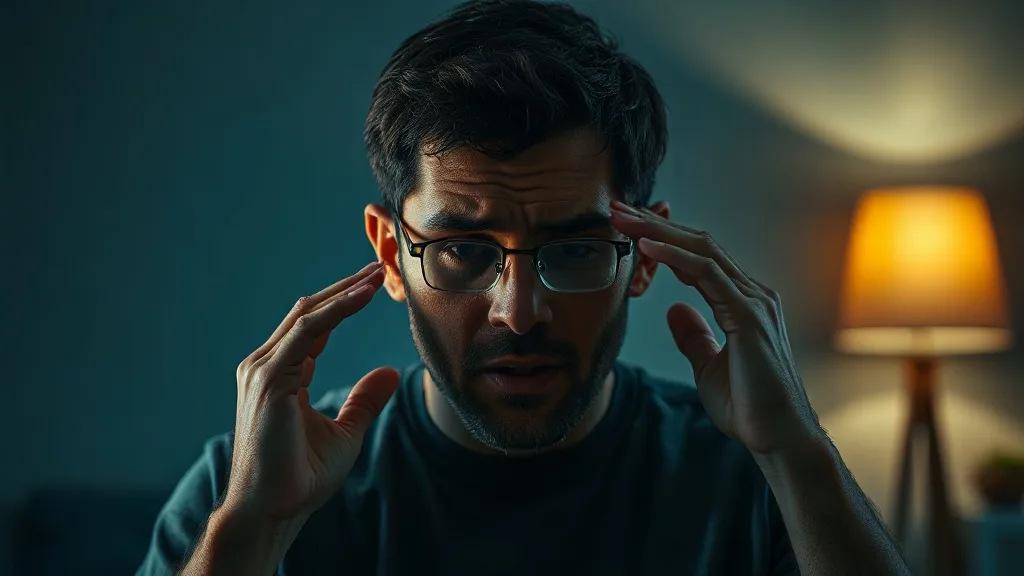
Seasonal Depression (SAD): Why It Happens & 8 Solutions
Ever notice how your energy slumps, your motivation evaporates, and your mood takes a nosedive right when the leaves start to fall, only to lift with the first signs of spring? You're not alone. This isn't merely a case of "winter blues"; for many, it's a specific, clinical condition known as Seasonal Affective Disorder (SAD). This cyclical pattern of depression affects millions, making the colder, darker months a real struggle. The good news? Understanding its roots and knowing the most effective seasonal depression SAD treatment options can make a world of difference.
Understanding Seasonal Affective Disorder (SAD)
Honestly, when I first learned about SAD, I was surprised by its prevalence. It's more than just feeling a bit down when it's gray outside. SAD is a type of recurrent major depressive disorder with a seasonal pattern, typically starting in late fall or early winter and remitting in spring or summer. While less common, some people experience SAD in the summer months too.
Symptoms often mirror those of major depression: persistent low mood, loss of interest in activities you once enjoyed, changes in appetite (often cravings for carbohydrates and weight gain), increased sleepiness or fatigue, difficulty concentrating, and feelings of hopelessness or guilt. The key differentiator is its predictable seasonal onset and remission. A 2012 review published in the National Institute of Mental Health (NIMH) data suggested that SAD affects about 5% of the adult population in the U.S., with another 10-20% experiencing milder forms of winter-related blues.
📖 Recommended: Why No Contact Actually Works: The Neuroscience Behind Moving On
The Science Behind Winter Blues: Why SAD Strikes
Here's the thing: our bodies are incredibly tuned to light. When the days get shorter and sunlight becomes scarce, especially during those long winter months, it throws a wrench into our internal machinery. Scientists believe several factors contribute to SAD.
Firstly, there's a disruption in your circadian rhythm – your body's natural sleep-wake cycle. Reduced light in winter can mess with this internal clock, leading to feelings of sluggishness and disorientation. Secondly, serotonin levels often drop. Serotonin is a brain chemical that influences mood; less sunlight means less serotonin production, which directly impacts your mood and sense of well-being. Finally, melatonin, the hormone that regulates sleep, can go into overdrive. In people with SAD, the body may produce too much melatonin during the day, leading to increased sleepiness and a lack of energy, according to research from the 1980s that first identified the condition.
8 Evidence-Based Solutions for Seasonal Depression (SAD) Treatment
If you're grappling with the heavy cloak of winter's gloom, you're probably wondering what actually helps. Thankfully, there are several highly effective, evidence-based approaches to seasonal depression SAD treatment. These aren't just feel-good remedies; they're strategies backed by scientific research.
What Research Actually Shows About SAD Interventions
Look, the science behind SAD and its treatments isn't just theoretical; it's robust. For example, a meta-analysis published in the journal PubMed in 2005, aggregating data from numerous studies, reaffirmed light therapy's efficacy, showing it to be significantly more effective than placebo and comparable to antidepressants for many SAD patients. The effectiveness isn't just about turning on a lamp; it’s about the specific spectrum and intensity of light, usually 10,000 lux, mimicking bright outdoor sunlight.
Beyond light, the role of exercise is continually highlighted. A 2013 review in the Mayo Clinic literature, looking at various mental health conditions, emphasized that regular physical activity can alleviate mild to moderate depression symptoms, including those tied to seasonal shifts. It's not a quick fix, but the consistent release of endorphins and improved sleep quality from exercise provides a steady, natural boost. I've seen this pattern with so many individuals – even just 20 minutes of movement daily can break through the sluggishness.
And let's not forget the brain's internal rhythm. Disrupted sleep patterns often go hand-in-hand with SAD. Harvard Health Publishing has extensively covered the importance of healthy sleep habits, noting that a consistent sleep schedule and optimizing your bedroom environment can profoundly impact mood regulation and reduce feelings of fatigue associated with SAD. Establishing this routine is a cornerstone of managing the condition, helping your body recalibrate when the natural light cues are weaker.
Debunking Common Myths About Seasonal Mood Changes
There's a lot of chatter around seasonal changes and mood, and not all of it is accurate. Sorting fact from fiction is vital for effective management.
Myth: SAD is just an excuse to be lazy during winter. Reality: This couldn't be further from the truth. SAD is a diagnosable medical condition, recognized by the American Psychiatric Association in the DSM-5. It’s caused by biological factors like light deprivation impacting brain chemistry, not a lack of willpower. Minimizing it only prevents people from seeking necessary seasonal depression SAD treatment.
Myth: You can just 'power through' SAD with enough positive thinking. Reality: While a positive mindset helps with many challenges, SAD involves physiological changes that require more than just optimism. While developing coping mechanisms through therapy like CBT is valuable, it addresses underlying thought patterns and behaviors, rather than merely suggesting a 'cheer up' approach. True recovery often involves a combination of light therapy, lifestyle adjustments, and sometimes medication, guided by professionals.
Myth: SAD only affects people who live in extremely cold, dark places. Reality: While prevalence is higher in regions with less winter daylight (like Scandinavia or Alaska), SAD can affect anyone, anywhere. Even in seemingly sunny climates, if someone spends significant time indoors or has a genetic predisposition, they can experience symptoms. The key factor isn't necessarily temperature, but the amount of light exposure and individual sensitivity to those changes.
Frequently Asked Questions
Can children or teenagers get SAD?
Yes, SAD can affect children and teenagers, although it's often diagnosed more frequently in adults. Symptoms might manifest as irritability, difficulty concentrating in school, increased sleep, or changes in appetite. Early intervention and recognizing these patterns are crucial for younger individuals.
How quickly does light therapy work for SAD?
Many individuals report feeling better within a few days to two weeks of consistently using light therapy. Full benefits might take up to four weeks. It's important to use the correct type of light box (10,000 lux) and follow your doctor's recommendations for duration and timing to achieve optimal results.
Is it possible to prevent SAD from occurring?
While you can't prevent the seasonal shift, you can proactively manage SAD symptoms. Many experts recommend starting preventative light therapy, exercise, and other lifestyle adjustments in early fall, even before symptoms typically begin. This proactive approach can significantly lessen the severity or even prevent the onset of depressive episodes.
What's the difference between SAD and regular depression?
The primary difference is the seasonal pattern. While symptoms are similar to major depressive disorder, SAD consistently recurs at specific times of the year (most commonly fall/winter) and resolves during other seasons. Regular depression doesn't follow this predictable seasonal pattern.
The Bottom Line
Seasonal Affective Disorder is a real and challenging condition, making the darker months feel overwhelmingly difficult for millions. It's not a character flaw or something you can simply wish away. But here's the encouraging truth: there are effective, evidence-based strategies, from light therapy to psychotherapy and lifestyle adjustments, that can profoundly improve your well-being. Don't resign yourself to suffering through another winter. By understanding why SAD happens and actively pursuing the right seasonal depression SAD treatment for you, you can reclaim your energy, lift your mood, and find genuine brightness even when the sun is scarce. Take that first step, talk to a healthcare professional, and empower yourself.