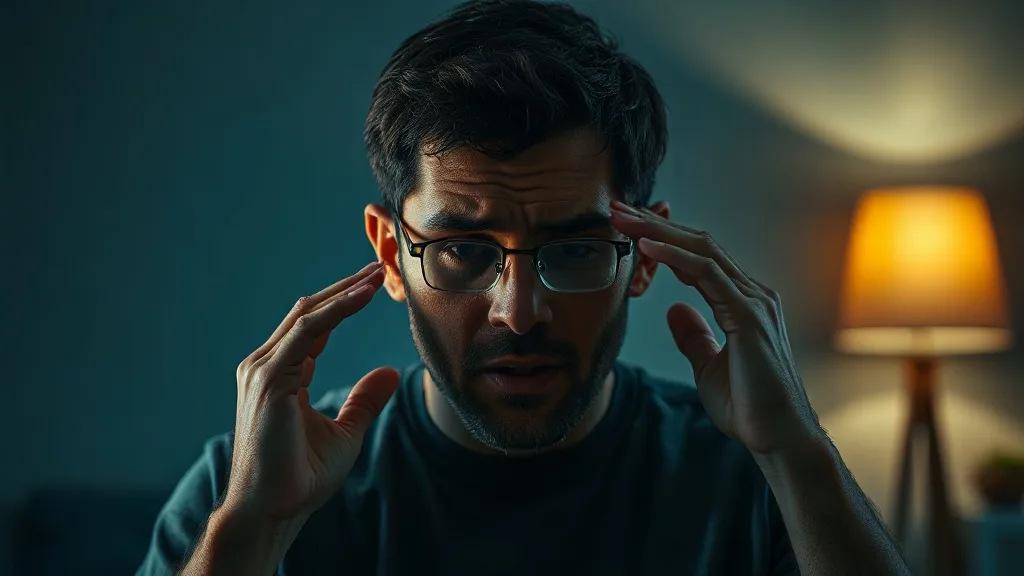
You know the drill. A long, stressful day melts into evening, and that single glass of wine or perfectly chilled beer calls to you. It’s just one, right? Just a way to unwind, to take the edge off, to signal the end of the grind. We’ve all been there, myself included, believing that small ritual is harmless, maybe even beneficial for relaxation. But what if the science tells a different story about the hidden alcohol mental health effects science has been meticulously uncovering for years? What if that 'one drink' is subtly — or not so subtly — chipping away at your peace of mind?
Honestly, it’s a question worth exploring, because the relationship between alcohol and our psychological well-being is far more complex than most of us realize. It’s not just about addiction; it’s about the subtle, insidious ways even moderate consumption can impact our mood, sleep, anxiety levels, and overall mental health. Let’s peel back the layers and look at what researchers are really finding.
The Neurochemical Dance: Alcohol's Initial Impact on the Brain
When you take that first sip, alcohol (ethanol) quickly enters your bloodstream and begins its journey to the brain, where it interacts with a host of neurotransmitters. Initially, it enhances the effects of gamma-aminobutyric acid (GABA), a primary inhibitory neurotransmitter. This GABA boost is what gives you that immediate sense of calm, relaxation, and reduced inhibition. It’s why that first drink can feel so good, so much like a stress-reliever.
📖 Recommended: Avoidant Attachment Style: Why You Push People Away and How to Stop
But here’s the thing: this initial soothing effect is a bit of a trick. While GABA is being amplified, other critical systems are being suppressed, and the brain starts to adapt. A 2019 review published in the *Journal of Neurochemistry* highlighted how even acute alcohol exposure can alter the delicate balance of excitatory and inhibitory signals, setting the stage for rebound effects once the alcohol begins to clear from your system. It’s like borrowing happiness from tomorrow, with interest.
This early interaction is crucial because it often masks deeper issues. People might lean on alcohol to quiet an anxious mind or dampen persistent stress, not realizing they’re only delaying and potentially intensifying those very feelings. The brain, in its attempt to maintain equilibrium, tries to counteract alcohol’s sedative effects, leading to a state of heightened arousal once the immediate impact wears off. This is the foundation for a lot of the less-than-pleasant mental health experiences that follow.
Unpacking Long-Term Psychological Impacts of Alcohol
While the immediate effects of alcohol are often noticeable, the long-term psychological impacts are where the real concerns lie. It's not just about one bad night; it's about the cumulative toll on your mental resilience and emotional stability. The alcohol mental health effects science reveals are complex, intertwining with genetics, environment, and individual predispositions.
For instance, a landmark study published in *The Lancet Public Health* in 2018, analyzing data from nearly 600,000 current drinkers across 19 high-income countries, found no safe level of alcohol consumption for overall health. While this study primarily focused on physical health outcomes, the implications for mental health are profound, given the body's interconnected systems. Chronic inflammation, nutrient deficiencies, and disrupted gut microbiome – all consequences of regular drinking – are increasingly linked to mood disorders and cognitive decline.
Further research, such as a 2022 review in *Molecular Psychiatry*, consistently points to alcohol use disorder (AUD) being highly comorbid with other mental health conditions like major depressive disorder, generalized anxiety disorder, and post-traumatic stress disorder. The relationship is often bidirectional: mental health struggles can lead to increased alcohol use as a coping mechanism, which then exacerbates the original mental health issues. This creates a challenging cycle that's difficult to break without intervention. Understanding these deeper connections is crucial for anyone trying to decipher the true impact of alcohol on their mind. You can learn more about general mental health topics at Harvard Health or specifically about anxiety disorders via NIMH.
Strategies for Mindful Alcohol Consumption
- Set Clear Limits: Before you even start, decide how many drinks you'll have and stick to it. For many, 'one drink' can easily turn into two or three. Having a pre-determined limit helps prevent overconsumption.
- Alternate with Non-Alcoholic Beverages: For every alcoholic drink, have a glass of water, sparkling water with lime, or a non-alcoholic mocktail. This slows down your alcohol intake and keeps you hydrated, mitigating some negative effects.
- Identify Your Triggers: Pay attention to when and why you feel the urge to drink. Is it stress, boredom, social pressure, or a specific time of day? Understanding your triggers is the first step toward finding healthier coping mechanisms.
- Engage in Alternative Stress Relief: Instead of reaching for alcohol, try exercise, meditation, a warm bath, reading, or connecting with friends in ways that don't involve drinking. Build a toolkit of healthy ways to unwind.
- Practice Mindful Drinking: When you do choose to drink, do so slowly and intentionally. Savor each sip, pay attention to the taste and sensation, and notice how your body feels. This can help you consume less and enjoy it more consciously.
- Seek Support if Needed: If you find it hard to cut back or if alcohol is significantly impacting your mental health, don't hesitate to reach out to a therapist, counselor, or support group. There's no shame in seeking help.
Debunking Common Alcohol & Well-being Myths
Myth: A glass of wine before bed helps you relax and sleep better. Reality: As we touched on, alcohol *might* help you fall asleep faster because it's a sedative. However, it severely disrupts the quality and restorative stages of your sleep, particularly REM sleep. You'll likely experience fragmented sleep, wakefulness during the night, and feel less refreshed in the morning. A 2015 study published in *Alcoholism: Clinical & Experimental Research* found that even low doses of alcohol significantly impact sleep architecture.
Myth: Moderate drinking is good for your stress levels and heart health. Reality: While some older studies suggested cardiovascular benefits from moderate red wine consumption, more recent, robust research has largely debunked this, or at least shown the risks outweigh any potential benefits, especially for mental health. As for stress, alcohol provides a temporary, superficial sense of calm that is quickly replaced by heightened anxiety and elevated cortisol levels as the body processes it. The long-term alcohol mental health effects science paints a clear picture: it's a net negative for stress management.
Myth: Alcohol only negatively affects 'problem drinkers' or those with addiction. Reality: This is a dangerous misconception. The science is increasingly clear that even what's considered 'moderate' drinking (e.g., up to one drink per day for women, two for men) can have measurable negative impacts on mental health, including increased risk of anxiety, depression, and cognitive issues. You don't need to be addicted for alcohol to be taking a toll on your well-being. It's about cumulative exposure and individual vulnerability.
Frequently Asked Questions
Does moderate drinking affect mental health?
Yes, science shows that even moderate alcohol consumption can negatively impact mental health by disrupting sleep, exacerbating anxiety (often leading to 'hangxiety'), affecting mood regulation, and impairing cognitive functions. It's not just heavy drinking that carries risks.
Can alcohol worsen anxiety or depression?
Absolutely. While alcohol might temporarily mask symptoms, it's a central nervous system depressant that interferes with neurotransmitters essential for mood regulation. Regular consumption can worsen existing anxiety and depression, and in some cases, even contribute to their development.
How long after quitting alcohol does mental health improve?
Improvements can begin within days, with better sleep and reduced 'hangxiety' often noticed quickly. Significant mental health benefits, such as stabilized mood and reduced symptoms of depression or anxiety, typically become more apparent over weeks to months as the brain rebalances its chemistry and healthier coping mechanisms are adopted.
Is there a 'safe' amount of alcohol for mental health?
Current scientific consensus, particularly from comprehensive analyses like the 2018 study in *The Lancet Public Health*, suggests there is no truly 'safe' level of alcohol consumption for overall health, including mental well-being. Any amount carries some degree of risk, and the fewer drinks consumed, the lower the potential negative impact on your mental health.
The Bottom Line
Look, the idea that a single drink is a harmless, beneficial ritual is deeply ingrained in our culture. But when we honestly examine the alcohol mental health effects science lays out, a more nuanced, and frankly, more concerning picture emerges. That initial 'calm' is often fleeting, followed by a rebound that can amplify anxiety, disrupt vital sleep, and subtly erode your emotional resilience over time. It’s not about judgment; it’s about informed choice. Understanding how alcohol truly interacts with your brain and body empowers you to make decisions that genuinely serve your long-term well-being. Be mindful, be aware, and choose what truly brings you peace, not just a temporary illusion of it.