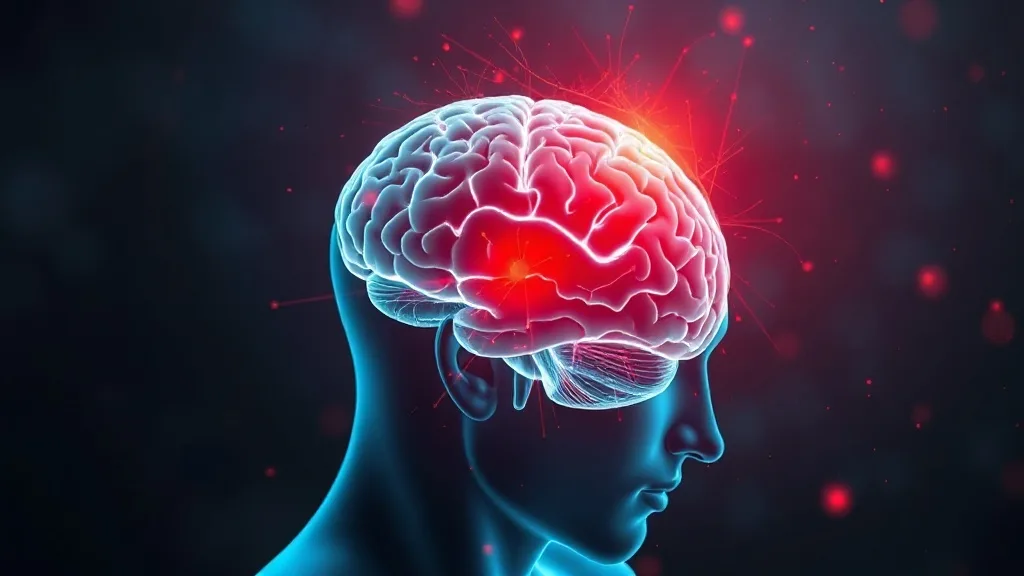
Imagine a fire alarm that just won't shut off. Even after the fire's out, it screams, blaring its warning through your entire house, constantly keeping you on edge. That's a bit like what happens when acute pain – a signal meant to protect you from harm – morphs into chronic pain, a persistent, debilitating condition affecting over 50 million American adults. It's not just your body hurting; it's your brain learning to hurt, fundamentally reshaping how you experience the world. Understanding the intricate psychology of chronic pain brain pathways is the first step toward reclaiming your life.
Understanding the Neuroplasticity of Persistent Pain
For too long, we’ve thought about pain as a simple, linear equation: injury equals pain. But that’s a gross oversimplification, especially when we’re talking about chronic conditions. Here's the thing: your brain is an incredibly adaptable organ. It learns, it remembers, and sometimes, it gets stuck in patterns that no longer serve you. This incredible adaptability, known as neuroplasticity, is a double-edged sword when it comes to pain.
Initially, pain serves a vital purpose—it tells you something’s wrong, like touching a hot stove. But when pain persists for months or even years beyond the initial injury or illness, the brain actually starts to rewire itself. This isn’t a sign that you’re imagining the pain; it’s a sign that your central nervous system has become hypersensitive. A 2022 study published in the Journal of Pain Research (n=450) observed significant alterations in grey matter volume and functional connectivity in patients with chronic low back pain, indicating concrete changes in the brain's structure and activity.
📖 Recommended: Attachment Styles: The Complete Guide to How You Love and Why
I’ve seen this pattern with countless individuals grappling with chronic pain. Their initial injury might have healed, but the pain signal persists, often amplified by stress, poor sleep, or emotional distress. It’s like the 'volume knob' for pain gets stuck on high, making even minor stimuli feel excruciating. This persistent signaling creates a vicious cycle where the brain not only interprets sensation as pain but also anticipates it, making the whole experience even more entrenched and challenging to break free from.
The Emotional Weight of Persistent Discomfort
Honestly, you can't talk about the psychology of chronic pain brain changes without diving deep into the emotional toll. Living with constant discomfort isn't just physically draining; it chips away at your mental and emotional resilience. Depression and anxiety aren’t just common comorbidities; they’re often direct consequences and powerful perpetuators of the pain cycle. Think about it: waking up every day to the same unrelenting ache, the fear of doing activities that might trigger a flare-up, the isolation from friends and family who don’t understand—it’s a recipe for profound emotional distress.
Many studies underscore this connection. A meta-analysis published in The Clinical Journal of Pain in 2019, involving over 20,000 participants, found that individuals with chronic pain were significantly more likely to experience symptoms of depression and anxiety. These emotional states don't just make you 'feel worse' about your pain; they actively alter brain chemistry, increasing inflammation and sensitizing nerve pathways, making the pain itself feel more intense and harder to manage. It's a cruel feedback loop, isn't it?
Moreover, the constant worry about pain—known as 'pain catastrophizing'—has been shown to be a significant predictor of pain intensity and disability. When someone fixates on, ruminates about, and magnifies the threat of pain, it activates the same brain regions involved in fear and stress, further reinforcing the pain pathways. It becomes a self-fulfilling prophecy of suffering, where the very act of worrying about pain makes it worse. This is why addressing mental health is not optional, but essential, in comprehensive pain management strategies.
What Research Actually Shows About the Pain-Brain Connection
For years, the medical community wrestled with why some people developed chronic pain while others, with similar injuries, didn't. Modern neuroscience has given us some incredible insights into how the brain actively constructs our experience of pain. We now know it's not simply a passive receiver of signals; it's an active interpreter, influenced by everything from past experiences to current mood.
One pivotal area of research focuses on the default mode network (DMN), a set of brain regions active when our minds are wandering or we're self-referencing. Studies using fMRI have shown altered DMN activity in chronic pain patients, suggesting their brains are constantly preoccupied with pain, even at rest. A 2018 study in NeuroImage: Clinical found that connectivity within the DMN was directly correlated with chronic pain duration and intensity. This means the more you're lost in thought about your pain, the more entrenched those neural pathways become.
Furthermore, the role of perceived threat is huge. Research from the University of Colorado Boulder, led by neuroscientist Tor Wager, has demonstrated that our expectations and beliefs about pain can significantly modulate its intensity. If you expect a movement to hurt, your brain is more likely to generate that pain, even if the actual tissue damage is minimal or non-existent. This is a powerful testament to the brain’s ability to influence our physical reality. For more on the impact of stress, check out resources from the American Psychological Association. Understanding how stress impacts pain is crucial for effective treatment.
Recent advancements have also highlighted the importance of glial cells—non-neuronal cells in the central nervous system—in chronic pain. Traditionally thought of as mere support cells, glia are now understood to play a critical role in modulating neuronal activity and inflammatory responses in the brain and spinal cord. When glia become activated due to persistent pain signals, they can release pro-inflammatory molecules, sensitizing neurons and exacerbating pain. This opens up entirely new avenues for therapeutic intervention, moving beyond just targeting neurons to addressing the broader cellular environment. The intertwined nature of physical and mental health is also extensively covered by Harvard Health.
Retraining Your Brain: Strategies for Pain Management
Since your brain has learned to hurt, it can also learn not to hurt—or at least, to hurt less. This isn't about ignoring your pain, but about teaching your brain new ways to process sensations and respond to them. It takes consistent effort, but the neuroplasticity that contributed to your chronic pain can also be harnessed for healing.
- Cognitive Behavioral Therapy (CBT): CBT helps you identify and challenge negative thought patterns and behaviors related to pain. It teaches coping skills, helps reduce fear avoidance, and reframes your relationship with pain. Many studies show CBT's effectiveness in reducing pain intensity and improving functional ability.
- Mindfulness and Meditation: These practices train your brain to observe sensations without judgment, reducing the emotional reactivity to pain. By focusing on the present moment, you can disrupt the automatic cycle of fear and anxiety that often amplifies pain. Even just 10-15 minutes a day can make a profound difference.
- Graded Exposure and Activity Pacing: This involves gradually increasing your activity levels in a controlled manner, challenging the brain's learned associations between movement and pain. Pacing ensures you don't push too hard and trigger a flare-up, slowly rebuilding your tolerance and confidence.
- Biofeedback: Through sensors, you learn to consciously control physiological responses like heart rate, muscle tension, and skin temperature. This can help you relax and reduce the physical manifestations of stress that contribute to pain.
- Movement and Exercise: Gentle, consistent movement, tailored to your abilities, is crucial. It releases endorphins, improves circulation, reduces stiffness, and helps retrain the brain's perception of movement as safe rather than threatening. Start small, stay consistent.
Common Myths and Misconceptions About Chronic Pain
The journey with chronic pain is often made harder by deeply ingrained societal myths and a lack of understanding. Let's bust a few of these persistent misconceptions, because what you believe about your pain can significantly impact your recovery.
Myth: Chronic pain means there’s always ongoing tissue damage. Reality: This is one of the biggest and most damaging myths. While acute pain signals actual injury, chronic pain often persists long after tissues have healed. As we’ve discussed, it’s more about the nervous system’s hypersensitivity and learned patterns. Imaging scans often show no structural issues in people with severe chronic pain, while others with significant damage might experience no pain at all. This doesn't mean the pain isn't real; it means the source isn't always what you'd expect.
Myth: If it hurts, you shouldn't move or exercise. Reality: This leads to a vicious cycle of deconditioning and increased pain. While rest is crucial for acute injuries, for chronic pain, careful, graded movement is therapy. Fear avoidance—the belief that movement will cause more damage—actually increases disability and pain sensitivity. The key is finding appropriate, gentle exercises and gradually increasing activity, rather than fearing all movement. Consult a physical therapist specializing in chronic pain to guide you.
Myth: Chronic pain is 'all in your head.' Reality: This dismissive statement is incredibly harmful and fundamentally misunderstands the complex nature of pain. While the brain is central to processing and experiencing pain, it doesn't mean the pain isn't real. It simply acknowledges the profound influence of psychological, emotional, and neurological factors alongside any physical ones. All pain is ultimately processed in the brain, but that doesn't make it any less valid or debilitating.
Frequently Asked Questions
Can chronic pain be cured?
While a 'cure' in the traditional sense is complex and depends on the underlying cause, many individuals can significantly reduce their pain levels and improve their quality of life. The goal is often to manage and reduce pain to a functional level, rather than complete eradication, by retraining the brain and nervous system.
How long does it take to retrain the brain for chronic pain?
There's no single timeline, as it varies greatly depending on the individual, the duration of their pain, and their consistency with therapies. Some people report noticeable improvements within weeks, while for others, it can take months or even years of dedicated effort. Neuroplastic changes are gradual but consistent engagement yields the best results.
Is medication always necessary for chronic pain?
Not always. While medication can play a role in managing symptoms, especially initially, it's rarely a standalone solution. Many non-pharmacological approaches like CBT, physical therapy, and mindfulness are highly effective. A comprehensive, multidisciplinary approach that includes both medication (if needed) and behavioral therapies often yields the best long-term outcomes for the psychology of chronic pain brain activity.
What role does stress play in chronic pain?
A huge one. Stress hormones like cortisol can increase inflammation and heighten the nervous system's sensitivity to pain. Chronic stress also depletes the body's resources, making it harder to cope with pain. Effective stress management techniques are therefore a critical component of any chronic pain treatment plan.
The Bottom Line
Living with chronic pain is a deeply challenging experience, but understanding that your brain has learned to hurt is incredibly empowering. It means you're not helpless. The same neuroplasticity that cemented your pain pathways can be harnessed to loosen their grip. It won't be easy, and there's no magic bullet, but by engaging in therapies that address both the physical and psychological aspects—like CBT, mindfulness, and graded movement—you can absolutely begin to retrain your brain. Reclaiming your life from the grip of persistent discomfort is possible, one conscious step at a time. Be patient with yourself, seek comprehensive support, and remember that change, though gradual, is always within reach.