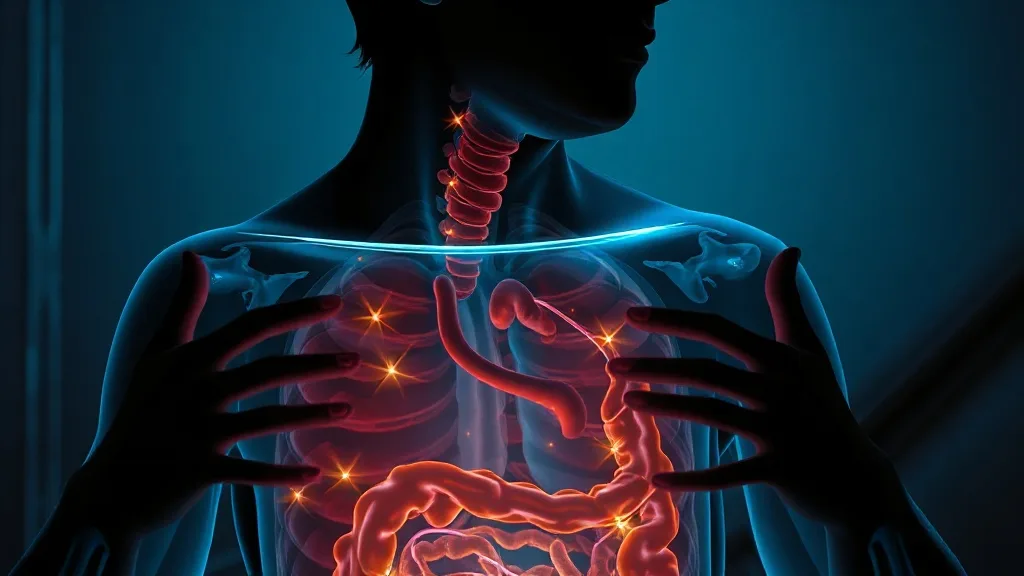
You know the feeling, don't you? That inexplicable cloud hanging over your head, a persistent irritability you can't quite shake, or a gnawing anxiety that seems to come from nowhere. We often scramble for external reasons – work stress, relationship drama, lack of sleep – but what if the true culprit isn't in your head, but in your gut? Honestly, for too long, we’ve treated our digestive system as a separate entity, distinct from the intricate workings of our mind. However, a growing body of scientific evidence is forcing us to reconsider this outdated view, revealing a profound gut health mood connection science can no longer ignore. This isn't just about avoiding a bloated belly; it's about understanding a fundamental aspect of your mental well-being.
Understanding the Gut-Brain Axis: Your Second Brain
Look, the idea of a 'gut feeling' isn't just a quirky idiom; it's rooted in biology. Our gut is teeming with trillions of microorganisms – bacteria, viruses, fungi – collectively known as the gut microbiome. This vast community isn't just passively digesting your food; it's actively communicating with your brain through what scientists call the gut-brain axis. This isn't some one-way street; it's a superhighway of biochemical signals, neurotransmitters, hormones, and immune system responses, constantly influencing each other.
Think of it: the vagus nerve, a major neural pathway, directly connects your brainstem to your enteric nervous system (ENS) – often dubbed your 'second brain' – which lines your entire gastrointestinal tract. A 2023 review published in the journal Frontiers in Neuroscience (n=various studies) highlighted how bidirectional communication via this nerve pathway significantly impacts both digestive function and mood regulation. Your gut produces over 90% of your body's serotonin, a crucial neurotransmitter for mood stability, and a significant amount of GABA, which helps calm the nervous system. When your gut flora is out of whack, so are these vital chemical messengers, directly affecting how you feel.
📖 Recommended: Anxious-Avoidant Relationship: Why Opposites Keep Finding Each Other
What Research Actually Shows: The Scientific Basis of Gut-Mood
I've seen this pattern with countless individuals struggling with their mental well-being: once we start addressing their gut health, many other pieces fall into place. The scientific community has truly leaned into understanding this complex interplay over the past decade. For instance, a groundbreaking 2011 study published in the Proceedings of the National Academy of Sciences (PNAS) by researchers at McMaster University found that altering gut bacteria in mice could actually change their behavior, making anxious mice calm and vice-versa. This was a significant early indicator of the profound gut health mood connection science was starting to uncover.
More recently, human studies have provided compelling evidence. A 2021 meta-analysis involving over 3,000 participants, published in Molecular Psychiatry, identified distinct gut microbial signatures associated with both depression and anxiety disorders. These signatures often included lower diversity of beneficial bacteria and an increase in pro-inflammatory species. Furthermore, research from the APC Microbiome Ireland has consistently shown that specific psychobiotics – beneficial bacteria with mental health benefits – can reduce stress and improve mood in human trials. It's clear that the microbial inhabitants of our gut are far more influential than we ever imagined, directly impacting the intricate chemical messengers that dictate our emotional states. For more insights on how nutrition affects overall well-being, you can explore resources like Mayo Clinic: Nutrition and Healthy Eating.
The implications are massive for how we approach mental health. Instead of solely focusing on brain chemistry, the gut health mood connection science points us towards a more holistic model. Researchers are now exploring how dietary interventions, probiotics, and even fecal microbiota transplants could be used as adjunctive therapies for mental health conditions. Understanding this link empowers us to take a more proactive role in our mental well-being by simply paying attention to what's happening downstream. For broader understanding of mental health, consider resources from Harvard Health: Mental Health.
Nurturing Your Gut, Elevating Your Mood: Practical Steps
Okay, so your gut might be influencing your mood. Now what? The good news is, there are concrete steps you can take to foster a healthier gut microbiome and, by extension, a more balanced emotional state.
- Diversify Your Diet with Whole Foods: Aim for a wide variety of plant-based foods – fruits, vegetables, legumes, whole grains. Fiber acts as a prebiotic, feeding the beneficial bacteria in your gut. Think berries, leafy greens, oats, and lentils. The more diverse your plant intake, the more diverse your microbiome.
- Incorporate Fermented Foods: Foods like yogurt (with live active cultures), kefir, sauerkraut, kimchi, and kombucha are rich in probiotics, introducing beneficial bacteria directly into your system. Start small and gradually increase your intake to avoid digestive upset.
- Manage Chronic Stress: Stress is a gut killer. Practices like mindfulness meditation, deep breathing exercises, yoga, spending time in nature, or even just regular, enjoyable hobbies can significantly reduce stress hormones that negatively impact your gut lining and microbial balance.
- Prioritize Quality Sleep: Poor sleep disrupts your circadian rhythm, which in turn affects your gut microbiome. Aim for 7-9 hours of consistent, restorative sleep each night. Create a relaxing bedtime routine, keep your bedroom dark and cool, and limit screen time before bed.
- Stay Hydrated: Water is essential for every bodily function, including digestion and maintaining a healthy gut lining. Make sure you're drinking enough water throughout the day.
- Consider Prebiotic and Probiotic Supplements (Wisely): While food sources are always best, targeted supplements can be beneficial, especially if recommended by a healthcare professional. Look for strains like Lactobacillus and Bifidobacterium, which have shown promise for mood support.
Dispelling Myths About Gut Health and Mental Wellness
With so much new information, it's easy for misconceptions to sprout up around the connection between gut health and mental wellness. Let's clear a few things up. Myth: Gut issues are only caused by a bad diet. Reality: While diet is a huge player, it's not the only factor. Stress, lack of sleep, antibiotic use, environmental toxins, and even genetics all contribute to the state of your gut microbiome. I've personally seen individuals with impeccable diets still struggle with gut dysbiosis due to chronic, unmanaged stress. It's a complex ecosystem, not just a food processor.
Another common myth: Probiotics are a magic bullet for mood problems. Reality: While certain probiotic strains (psychobiotics) show promise in research for specific mood benefits, they aren't a standalone cure for clinical depression or anxiety. They're a valuable tool in a holistic approach, but they work best when combined with dietary changes, stress management, and, if necessary, professional mental health support. Expecting a pill to fix everything overlooks the multifaceted nature of both gut health and mental well-being.
Finally, there's the misconception that gut symptoms are 'all in your head.' Reality: This couldn't be further from the truth. The gut-brain axis demonstrates a tangible, physiological link. When you feel anxious and your stomach churns, that's not just a coincidence; it's your gut and brain in direct communication. Ignoring physical gut symptoms or dismissing them as purely psychological can prevent you from addressing a fundamental root cause of your emotional distress. Our bodies are incredibly integrated, and symptoms in one area often reflect imbalances in another.
Frequently Asked Questions
How quickly can gut changes affect mood?
Some people report feeling subtle mood shifts within days of making significant dietary changes, like increasing fiber or fermented foods. However, more profound and lasting improvements typically take weeks to months as the gut microbiome gradually rebalances and the gut-brain axis recalibrates. Consistency is key.
Are prebiotics or probiotics better for mood?
Neither is inherently 'better'; they often work synergistically. Probiotics introduce beneficial bacteria, while prebiotics (fibers that ferment in the gut) feed those good bacteria, helping them to thrive. A diet rich in prebiotic foods (like garlic, onions, bananas, oats) alongside probiotic-rich foods or a targeted supplement often yields the best results for overall gut health and mood.
Can stress alone cause gut problems?
Absolutely. Chronic stress significantly impacts gut motility, increases gut permeability ('leaky gut'), and alters the composition of the gut microbiome, even without dietary changes. This is why stress management is a critical component of any gut health protocol, acting as a direct pathway in the gut health mood connection science explores.
Should I talk to my doctor about this?
Yes, always. If you're experiencing persistent mood changes or digestive issues, it's crucial to consult with a healthcare professional. They can help rule out underlying medical conditions, provide personalized advice, and guide you on appropriate dietary or lifestyle interventions, ensuring a safe and effective path to better well-being.
The Bottom Line
It's time we stopped viewing our mind and gut as separate entities. The evidence for the gut health mood connection science has unearthed is simply too compelling to ignore. Those subtle shifts in mood, the unexplained anxiety, the lingering brain fog – they might just be your gut trying to tell you something important. By understanding these signs and taking proactive steps to nurture your microbiome, you're not just improving your digestion; you're investing directly in your mental and emotional resilience. It's a journey, not a quick fix, but one that offers profound rewards for your overall well-being. Start small, be consistent, and listen to what your body – and your gut – is trying to communicate.