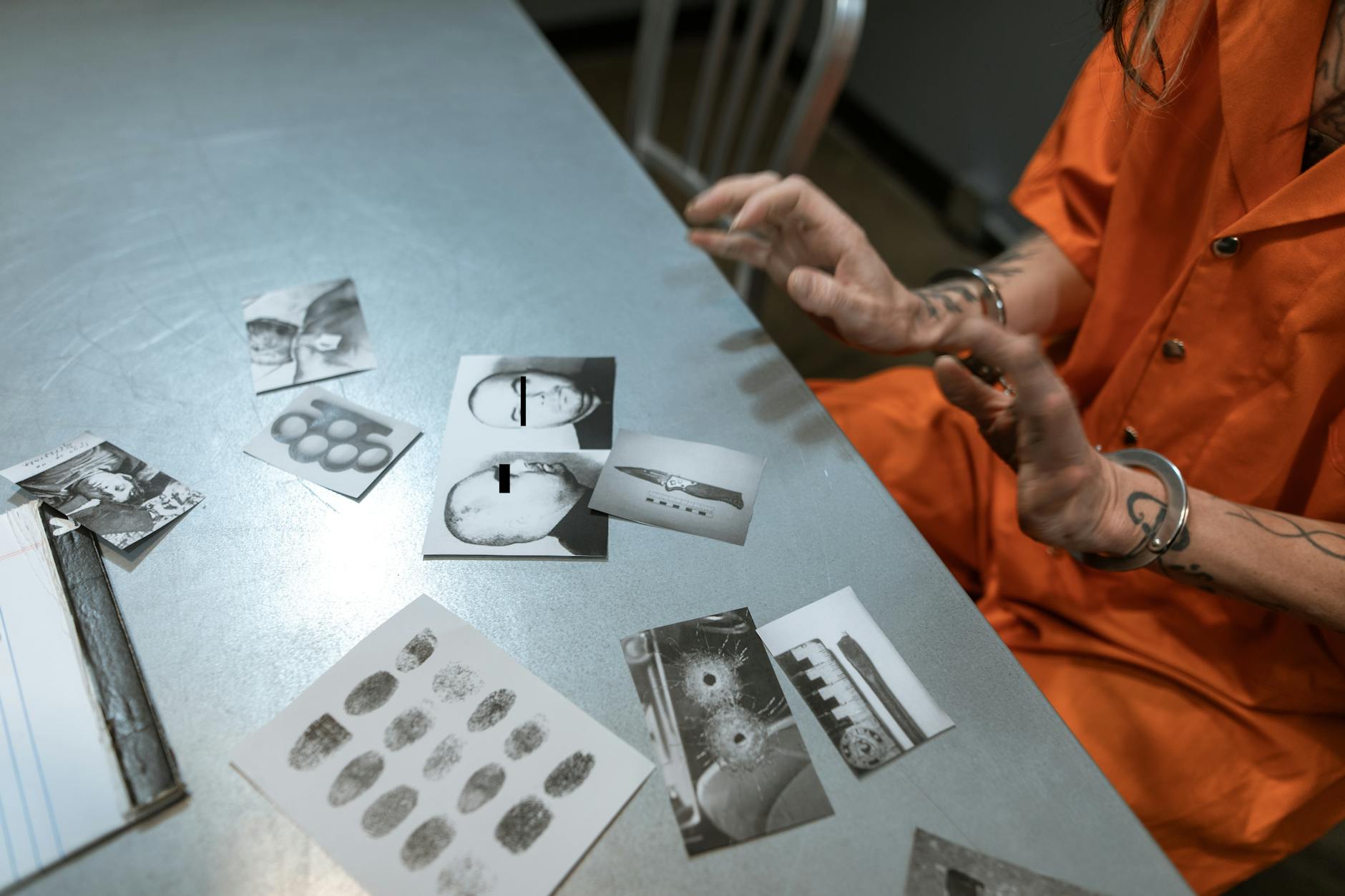
Picture this: You’re accused of a crime you absolutely didn’t commit. You sit in a cold room, under glaring lights, for hours on end. Interrogators cycle through, calm then aggressive, offering a lifeline if you just tell them what they want to hear. You’d never confess, right? You’re innocent. Well, here’s the thing: most people believe that, until they’re in that room. The reality of false confessions is far more common, and far more complex, than our gut instincts tell us, and it continues to be a driving force behind wrongful convictions across the globe.
It’s a truly unsettling thought, but innocent people confess to crimes every single day. We tend to think confessions are the 'gold standard' of evidence — proof positive of guilt. But decades of psychological research, alongside a harrowing number of overturned convictions, tell a very different story. Understanding why innocent individuals make false confessions isn’t just about morbid curiosity; it’s about safeguarding justice and recognizing the profound vulnerabilities that exist within our legal systems.
Understanding the Mind Behind False Confessions
When we hear about someone confessing to a crime they didn’t commit, our first reaction is often disbelief. How could anyone possibly do that? The answer lies deep within human psychology and the often-intense, manipulative environment of police interrogations. A false confession isn't a sign of guilt; it's often a desperate act stemming from overwhelming psychological pressure, fear, and sometimes, even confusion.
Psychologists categorize false confessions into three main types: voluntary, coerced-compliant, and coerced-internalized. Voluntary confessions are given without direct police pressure, often due to mental illness or a pathological need for attention. Coerced-compliant confessions happen when a suspect knows they’re innocent but confesses to escape an unbearable interrogation, believing they can recant later. And then there are coerced-internalized confessions, which are the most chilling: the suspect actually comes to believe they committed the crime, often after prolonged, suggestive questioning. A 2017 meta-analysis published in the Journal of Law and Human Behavior (n=45 studies) highlighted how these categories often blur under the intense stress of an interrogation, revealing a disturbing pattern where individuals are more susceptible than we’d like to imagine.
What Research Actually Shows About Wrongful Convictions
The numbers don't lie. Data compiled by organizations like the Innocence Project paint a stark picture of the alarming frequency of false confessions. As of October 2023, DNA exonerations in the United States alone have revealed that 27% of wrongful convictions involved a false confession or admission. That’s hundreds of lives shattered, years stolen, and trust in the justice system eroded. It’s not a fringe issue; it's a systemic vulnerability.
Look, the pioneering work of psychologists like Saul Kassin has fundamentally changed our understanding here. His seminal 1996 study with Katherine Kiechel, published in Psychological Science, famously demonstrated how easily college students could be led to confess to a fabricated computer crash, even internalizing the false memory. Participants, under specific conditions of perceived evidence and rapid pacing, confessed to an act they didn't commit, sometimes even adding details they couldn't have known. This experiment, and many others since, underscores that it’s not just 'weak' individuals who break under pressure. Anyone can.
The stress and trauma of prolonged interrogation can profoundly impact a person's mental state and cognitive function, making them more susceptible to suggestion and less able to make rational decisions. I’ve seen this pattern with individuals experiencing extreme trauma or intense emotional duress — their capacity for clear thinking diminishes drastically. This vulnerability is why robust safeguards are crucial, particularly for those already struggling with their mental health, who may be less equipped to withstand the psychological onslaught of an interrogation.
How to Spot Potential Indicators of a False Confession — Practical Steps
For the average person, it’s easy to believe a confession, especially when it sounds compelling. But for justice to truly be served, we need to cultivate a critical eye. So, how can you recognize the red flags that might point to a false confession?
- Scrutinize Interrogation Videos: Pay close attention to the full video, not just clips. How long was the interrogation? What tactics were used? Was the suspect visibly exhausted, distressed, or confused? Look for signs of psychological coercion, repeated questioning, and whether the interrogator introduces facts that the suspect then adopts into their confession.
- Assess Suspect Vulnerability: Consider the individual’s background. Was the confessor a juvenile at the time? Did they have known intellectual disabilities or mental health issues? Were they sleep-deprived, injured, or under the influence? These factors significantly increase the likelihood of a false confession.
- Corroborating Evidence: Does the confession align with objective, non-confession evidence? This is crucial. A truly reliable confession should be supported by independent forensic evidence, eyewitness testimony, or other facts that existed before the confession. If the confession is the *only* significant piece of evidence, be wary.
- Details Only the Perpetrator Would Know: A legitimate confession should contain details about the crime that only the true perpetrator would know, details that haven't been leaked by police or media. If the confession only contains information provided by the interrogators, or if it contradicts known facts, it’s a huge red flag.
Common Myths and Misconceptions About Confessions
The cultural narrative around confessions, heavily influenced by crime dramas, is often misleading. It primes us to accept confessions at face value, making it harder to challenge them even when evidence suggests otherwise. Sound familiar? Let’s bust a few pervasive myths.
Myth: Only guilty people confess. Reality: This is perhaps the most dangerous misconception. As detailed by The Innocence Project, over a quarter of documented wrongful convictions involve innocent people confessing. The psychological toll of interrogation, coupled with vulnerability, can override an individual's will to maintain their innocence. It’s not about moral failing; it’s about human susceptibility to immense pressure.
Myth: I’d never confess to something I didn’t do. Reality: A common sentiment, but one that fails to account for the extraordinary circumstances of an interrogation. Most people vastly overestimate their ability to withstand psychological manipulation. Imagine being isolated, sleep-deprived, denied food and water, threatened with harsher penalties, and lied to about fabricated evidence for 10, 20, or even 30 hours straight. Your resolve, no matter how strong, would be tested to its absolute breaking point.
Myth: Confessions are the strongest evidence. Reality: While a confession can be incredibly powerful in a courtroom, it's far from infallible. Juries often view confessions as irrefutable proof, leading them to discount contradictory evidence. However, when a confession is proven false, it reveals a profound weakness in relying solely on such evidence. We need to remember that forensic evidence, while also not perfect, often provides a more objective measure of facts than a statement born from duress.
Frequently Asked Questions
What percentage of wrongful convictions involve false confessions?
According to data from the Innocence Project, false confessions or admissions contribute to a significant portion of wrongful convictions, implicated in 27% of DNA exonerations in the United States as of late 2023. This statistic highlights the pervasive and serious nature of the problem.
Can police lie during an interrogation?
Yes, in most U.S. jurisdictions, police are legally allowed to use deceptive tactics during interrogations, including lying about having evidence (e.g., fingerprints, eyewitnesses) or exaggerating the severity of potential charges. This practice, while controversial, is a common component of many interrogation techniques.
Are children more likely to give false confessions?
Absolutely. Juveniles are significantly more vulnerable to giving false confessions due to their developmental stage. They often lack a full understanding of legal rights, are more suggestible, are more impulsive, and are more focused on immediate relief from pressure than long-term consequences, making them easier targets for coercive tactics.
How can someone confess to a crime they genuinely don't remember committing?
This falls into the category of 'coerced-internalized confessions.' Through prolonged, highly suggestive interrogations, often involving the presentation of fabricated evidence, individuals can actually develop false memories and come to believe they committed the crime, even if they have no original recollection of it.
The Bottom Line
Understanding why most people get false confessions wrong isn't just an academic exercise; it's a crucial step towards a more just and equitable legal system. The human mind, under extreme duress, is far more pliable than we like to believe, and the pressures of an interrogation can lead even the innocent down a path of self-incrimination. It’s not enough to simply trust that a confession equals guilt. We have a responsibility to look deeper, to question the circumstances, and to understand the psychological forces at play. Only then can we truly begin to safeguard against the grave injustices that false confessions so often create. Let's push for reforms that prioritize truth over expediency, ensuring that confessions are truly voluntary and reliable.