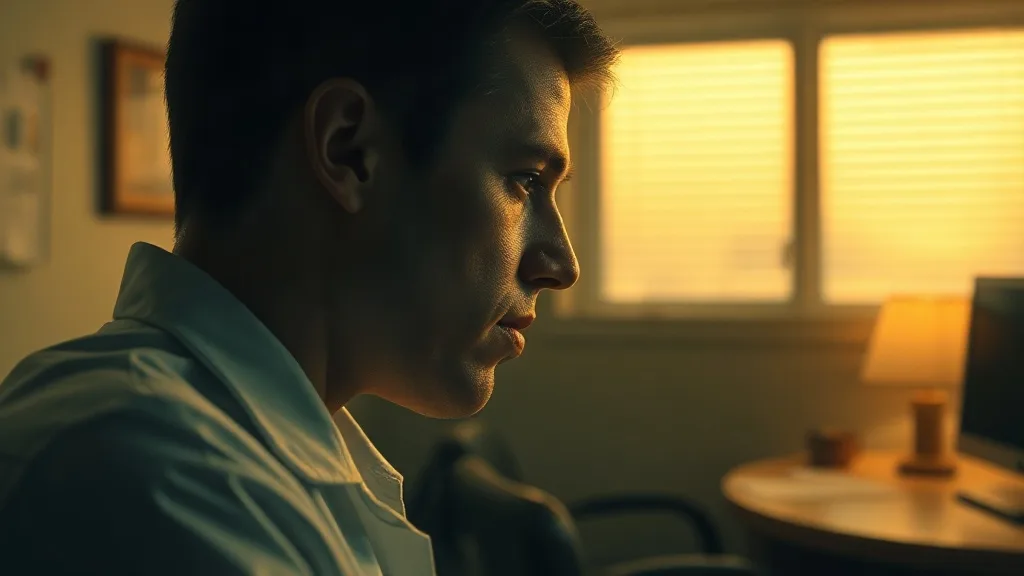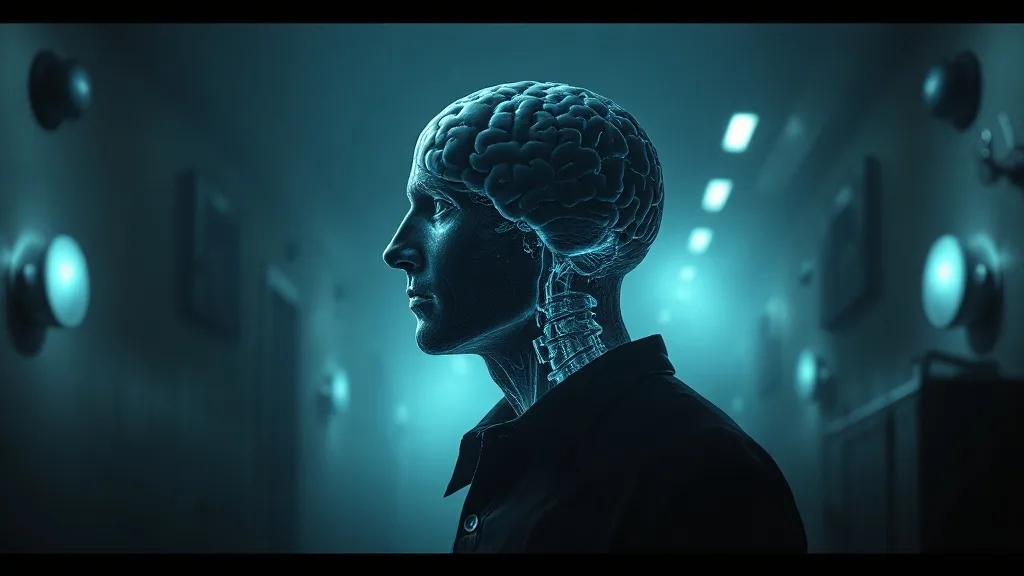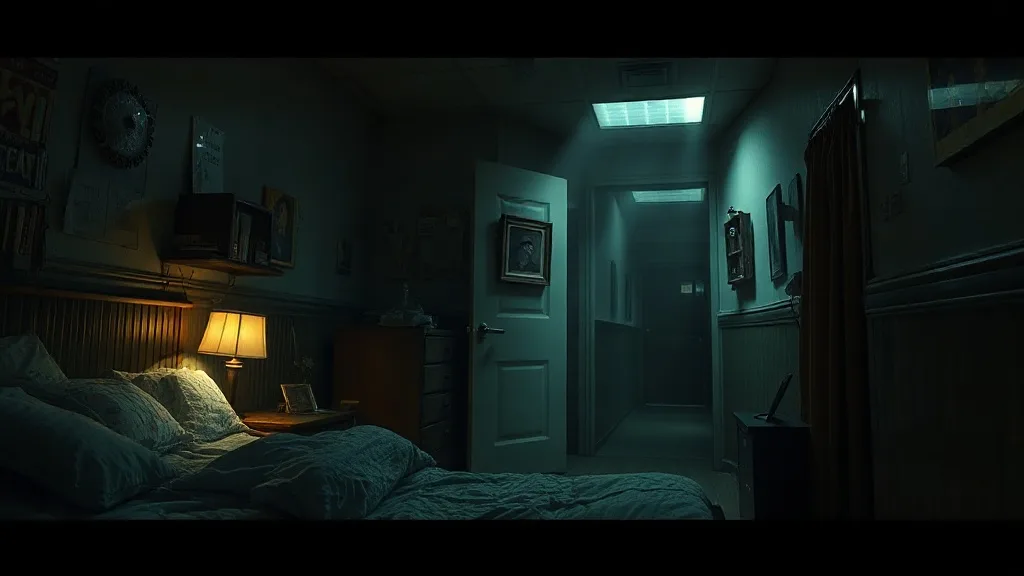
A scream in the night, a sudden disappearance, a crime scene that defies explanation. These are the fragments that linger long after the initial shock, festering into an enduring public fascination and, for those directly involved, a relentless torment. Some cases just stick with you, refusing to yield answers no matter how many resources are thrown at them, leaving a pervasive sense of unease. Honestly, it's the sheer lack of resolution in these unsolved cases disturbing to a primal part of our psyche that truly captivates and chills us. They become dark folklore, whispered tales of a justice system thwarted, and a testament to the chilling reality that sometimes, the monster truly does get away.
The Enduring Shadow: What Makes a Case Truly Haunting?
Look, it's one thing to hear about a solved crime; there’s a beginning, a middle, and an end, even if that end is tragic. But a truly haunting case? That’s something else entirely. It’s a story with its final chapter ripped out, leaving families and communities suspended in perpetual grief and uncertainty. The emotional toll on investigators, who dedicate years, sometimes decades, of their lives to these puzzles, can be immense. They carry the weight of the victims, the desperation of the families, and the frustration of brick walls. I've seen this pattern with many long-term cold case detectives; the work becomes a part of their identity, a personal quest.
This psychological burden isn't just anecdotal. A 2018 study published in the Journal of Investigative Psychology and Offender Profiling (n=150 law enforcement officers) highlighted how prolonged engagement with unresolved violent crimes significantly increased symptoms of secondary traumatic stress and burnout among officers, particularly those working on cold cases. The constant exposure to gruesome details without the catharsis of resolution chips away at their mental well-being. It's a unique form of anguish, different from the acute stress of an active investigation – a slow, grinding despair as leads dry up and time marches on.
📖 Recommended: Work-Life Balance Is a Myth: Here's What to Do Instead
The Psychological Ripple: What Research Actually Shows About Unresolved Trauma
Honestly, the psychological impact of these kinds of cases extends far beyond the immediate families and investigators. Communities can be gripped by fear, paranoia, and a profound sense of injustice. The inability to comprehend why or how something so horrific could happen, and then remain unpunished, erodes trust in safety and order. Children hear these stories, adults whisper them, and a collective trauma can settle in. It’s not just the memory of the crime; it's the living, breathing void of the unknown that perpetuates distress. For those directly affected, it can manifest as chronic anxiety, depression, and even symptoms resembling post-traumatic stress disorder (PTSD).
Research consistently backs this up. A qualitative study published in 2020 in the Journal of Grief & Bereavement explored the experiences of family members of homicide victims in cold cases. Participants (n=45) described profound and ongoing symptoms of traumatic grief, characterized by persistent yearning, intrusive thoughts, and a disrupted sense of identity and future, all exacerbated by the lack of resolution. This isn't just grief; it's a specific form of trauma rooted in ambiguity and injustice. The National Institute of Mental Health also notes that prolonged exposure to the uncertainty and helplessness associated with such events can lead to chronic stress and PTSD symptoms, affecting sleep, mood, and daily functioning.
For law enforcement, the emotional toll is complex. They internalize the failure to deliver justice, often feeling a personal responsibility for the unresolved fate of victims. This burden is particularly heavy when dealing with particularly heinous or high-profile cases. They often report feelings of guilt, anger, and professional inadequacy, even when they've exhausted every possible avenue. It’s a relentless mental battle against a phantom, and it impacts their personal lives, their relationships, and their overall sense of purpose. Sound familiar? It’s a testament to the human spirit's desire for order and justice that these cases continue to haunt so many.
When Hope Lingers: Advanced Forensics and Investigative Breakthroughs
Despite the grim nature of some of these cold cases, hope is not entirely lost. The landscape of forensic science has transformed dramatically over the past few decades, offering new avenues for justice in even the most stagnant investigations. What was once considered a dead end can now be revitalized by cutting-edge technology. Things like touch DNA, which can recover genetic material from just a few cells left behind, have allowed investigators to re-examine evidence from decades ago with incredible precision. I mean, think about it – a tiny smudge on an envelope, an almost invisible fiber, can now speak volumes.
Beyond traditional DNA analysis, genetic genealogy has emerged as a truly revolutionary tool. By uploading crime scene DNA to public ancestry databases, investigators can identify distant relatives of a perpetrator, building family trees backward and forward until a suspect is narrowed down. This technique, famously used to identify the Golden State Killer in 2018, has since led to breakthroughs in hundreds of other cold cases, proving that even the most meticulous criminals can leave behind a genetic breadcrumb. It’s a game-changer, giving old evidence a powerful new voice. This isn’t just about lab work; it's about a relentless pursuit of truth, leveraging every scientific advancement to chip away at the seemingly impenetrable.
Common Myths and Misconceptions About Unsolved Crimes
When it comes to unsolved cases disturbing our peace, there are a lot of misconceptions floating around. Let's tackle a few.
Myth: All cold cases are essentially unsolvable, meaning detectives have given up.
Reality: This couldn't be further from the truth. While some cases are incredibly challenging due to a lack of evidence or witnesses, law enforcement agencies worldwide have dedicated cold case units. These units actively revisit old files, often employing fresh perspectives and new technologies like advanced DNA analysis and genetic genealogy, which simply didn't exist when the crimes occurred. Many investigators treat cold cases as a personal mission, constantly looking for that one new lead or piece of overlooked evidence. It’s a marathon, not a sprint, and they don't give up easily.
Myth: If a case hasn't been solved in the first 48 hours, it never will be.
Reality: While the initial hours of an investigation are critical for preserving evidence and gathering immediate witness accounts, many cases take much longer to solve. Complex factors like witness intimidation, the destruction of evidence, or the sheer cleverness of a perpetrator can delay resolution. History is rife with examples of cases solved years, even decades, after the fact due to a confession, a new forensic technique, or a change in circumstances that brings new information to light. The average time to solve a homicide can vary wildly depending on the jurisdiction and complexity.
Myth: Perpetrators of unsolved crimes are always brilliant masterminds who leave no trace.
Reality: While some criminals are indeed cunning, many unsolved cases are more a result of luck, unfortunate circumstances, or limitations in investigative techniques at the time of the crime. Sometimes, the initial investigation was flawed, critical evidence was missed or mishandled, or witnesses were unwilling to come forward. A perpetrator might have simply gotten away due to geographical shifts, changes in identity, or the sheer randomness of their actions, rather than superior intellect. The idea of the flawless criminal is often sensationalized; the reality is usually far more mundane and frustrating.
Frequently Asked Questions
How many cold cases are there in the U.S.?
Estimates vary, but the FBI reports that there are over 250,000 unsolved murders in the U.S. since 1980. This number includes cases that have gone cold, meaning active leads have been exhausted, but they are not officially closed.
What is the statute of limitations for murder?
For murder, there is typically no statute of limitations in most U.S. states and many other countries. This means that a person can be prosecuted for murder regardless of how much time has passed since the crime was committed, reflecting society's view on the severity of the offense.
How does technology help solve old cases?
Modern technology, particularly advancements in DNA analysis and genetic genealogy, has revolutionized cold case investigations. These techniques allow investigators to re-examine old evidence for trace DNA, identify perpetrators through familial matches in public databases, and apply digital forensics to uncover overlooked clues from historical records.
What is the psychological impact of unsolved cases on victims' families?
Victims' families often experience profound and prolonged psychological trauma, including chronic grief, anxiety, depression, and symptoms of PTSD. The lack of closure can prevent them from fully processing their loss, leaving them in a perpetual state of uncertainty and injustice that impacts every aspect of their lives.
The Bottom Line
The most disturbing unsolved cases are more than just lurid headlines; they are gaping wounds in our collective consciousness, reminding us of the fragility of life and the elusive nature of justice. They represent an enduring challenge to law enforcement and a source of perpetual anguish for those left behind. While the answers may remain hidden for decades, the relentless pursuit of truth, fueled by evolving science and unwavering dedication, continues to offer glimmers of hope. These mysteries compel us to reflect on the darker aspects of human nature, but also on the enduring strength of the human spirit that tirelessly seeks resolution, even when faced with the most formidable and haunting of unknowns. We may not have all the answers, but we continue to search.