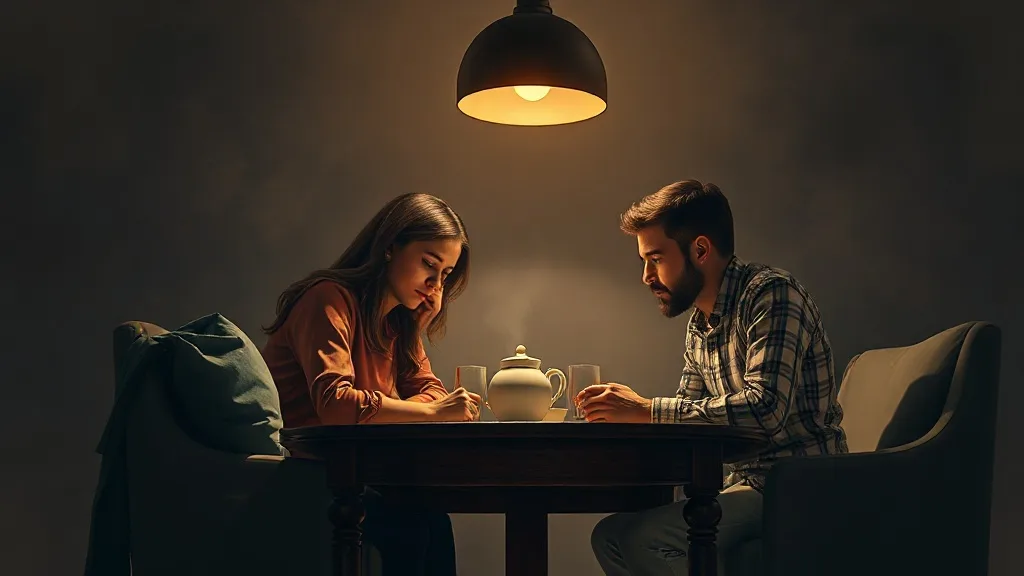
That fluttery, dizzying sensation of falling in love? It’s exhilarating, isn’t it? For many, it’s a beautiful, enriching experience. But for some, the pursuit of love, that desperate craving for connection and validation, can morph into something far more complicated—an unhealthy, all-consuming compulsion. It’s a relentless quest for emotional highs that often leaves a trail of heartache, not just for others, but for the person caught in its grip.
Honestly, I’ve seen this pattern play out countless times, where someone’s entire identity seems to hinge on whether they’re in a relationship, or even just chasing one. It’s not about deep connection; it’s about the chase, the dopamine hit, the temporary illusion of wholeness. Understanding this distinction is crucial, especially when we start looking at the subtle, yet powerful, love addiction signs.
Understanding the Compulsion: What is Love Addiction?
Let's be clear: love addiction isn't about simply loving someone deeply. It's a behavioral pattern marked by an obsessive preoccupation with romantic relationships, a compulsive need for external validation through a partner, and often, a frantic fear of abandonment. People struggling with it tend to confuse intense infatuation and dependence with genuine love, often prioritizing the relationship—any relationship—above their own well-being, values, or even safety.
📖 Recommended: Roth IRA vs Traditional IRA: Which One Is Right for You in 2026?
Look, it’s a lot like other behavioral addictions. The brain’s reward system gets hijacked. Instead of substances, the “drug” is the emotional high of new romance, the validation from a partner, or the intense drama of a tumultuous relationship. A 2017 review published in the journal Sexual Addiction & Compulsivity (n=34 studies) highlighted that individuals with problematic romantic attachment often exhibit characteristics akin to those with substance use disorders, including craving, withdrawal symptoms, and a preoccupation with their 'fix.'
It’s not officially recognized as a diagnosis in the DSM-5, but that doesn't diminish its very real impact. Clinicians and researchers widely acknowledge its existence as a significant mental health concern, often intertwined with other psychological issues like anxiety, depression, and attachment disorders. Here's the thing: it’s less about the love itself, and more about the dysfunctional patterns and underlying psychological needs driving the relentless pursuit.
Behind the Obsession: The Psychological Roots of Love Addiction
So, where does this kind of compulsive seeking come from? It’s rarely a simple case of 'bad luck in love.' Instead, it's typically rooted in earlier experiences and psychological vulnerabilities. Research overwhelmingly points to attachment theory as a major factor. For example, studies in developmental psychology, like those explored by authors such as Hazan and Shaver in the late 1980s, demonstrated how early childhood experiences with caregivers shape our adult romantic relationships. Individuals who experienced inconsistent or neglectful caregiving might develop anxious or disorganized attachment styles, driving them to constantly seek reassurance or become overly dependent in relationships.
Honestly, it makes perfect sense. If your early environment taught you that love was unreliable or conditional, you'd understandably grow up trying to 'earn' it or cling to it at all costs. This desperate clinging often manifests as the very love addiction signs we discussed. This isn't just anecdotal; the American Psychological Association offers extensive resources on the profound impact of early experiences on adult relationships, underscoring how foundational attachment experiences are. You can learn more about how our earliest connections shape our romantic lives here.
Beyond attachment, low self-esteem plays a starring role. When you don't feel worthy on your own, you'll naturally look for external sources to fill that void. A partner's affection, even if fleeting or conditional, can feel like a lifeline. This is often exacerbated by societal pressures that equate romantic partnership with success and happiness, pushing individuals who already feel insecure to pursue relationships relentlessly. According to Psychology Today, understanding one's attachment style is critical for identifying and addressing these underlying vulnerabilities.
Breaking the Cycle: Practical Steps to Heal from Love Addiction
- Acknowledge the Pattern: The first and hardest step is to admit you might have a problem. This isn't about shaming yourself; it's about gaining clarity. Journaling about your relationship history, noting recurring themes or behaviors, can be incredibly insightful.
- Seek Professional Help: Therapy, especially with a therapist specializing in addiction or attachment issues, is paramount. Cognitive Behavioral Therapy (CBT), Dialectical Behavior Therapy (DBT), or psychodynamic approaches can help you identify triggers, challenge dysfunctional thoughts, and develop healthier coping mechanisms.
- Establish Clear Boundaries: Learn to say 'no' and protect your time, energy, and emotional space. This means setting limits with partners, potential partners, and even yourself. Start small, perhaps by declining an invitation you don't genuinely want to accept.
- Cultivate Self-Worth: Shift your focus inward. What makes you valuable outside of a relationship? Explore hobbies, develop new skills, and connect with non-romantic friends and family. The goal is to build a robust sense of self that isn't dependent on external validation.
- Address Underlying Trauma: Many people with love addiction have unresolved trauma from childhood or past relationships. Working through these experiences in a safe, therapeutic environment is crucial for lasting recovery. This might involve EMDR or other trauma-informed therapies.
- Practice Mindfulness and Self-Compassion: Learn to observe your thoughts and feelings without judgment. When you feel that addictive pull, acknowledge it, but don't automatically act on it. Treat yourself with the same kindness and understanding you’d offer a struggling friend.
- Embrace Healthy Solitude: Spend time alone deliberately. Initially, it might feel uncomfortable or even painful, but learning to enjoy your own company is a powerful antidote to the fear of abandonment. Reframe solitude not as loneliness, but as an opportunity for self-discovery and peace.
Common Myths and Misconceptions
When we talk about love addiction, there's a lot of misunderstanding floating around. Myth: Love addiction means you just love too much. Reality: This couldn't be further from the truth. It's not about an abundance of love; it’s about a desperate, often unconscious, attempt to fill an inner void or manage deep-seated anxieties through external relationships. True love is reciprocal, fosters growth, and respects boundaries. Addiction, by definition, is compulsive and often destructive, irrespective of the relationship's actual quality. It’s the constant yearning for the feeling of being loved, rather than an ability to engage in healthy, sustainable love.
Myth: It's just 'being clingy' or 'needy.' Reality: While clinginess and neediness are certainly components of love addiction, they barely scratch the surface. It's a complex psychological pattern with roots in attachment theory, trauma, and a distorted sense of self-worth. It often involves a severe lack of emotional regulation and an inability to tolerate discomfort or solitude. Furthermore, it's not a choice; it’s a compulsion that can feel as powerful and inescapable as any other addiction, driving behaviors that are often against one's better judgment or long-term goals. Understanding this distinction is vital for empathy and effective treatment.
Myth: If you're single, you can't be a love addict. Reality: Not true at all. Someone struggling with love addiction can spend years compulsively pursuing relationships, even if they aren't currently in one. The addiction isn't solely about being in a relationship; it's about the relentless quest for one, the intense preoccupation with finding 'the one,' and the emotional distress that comes with being alone. Many love addicts cycle through relationships quickly or are perpetually scanning for their next romantic interest, driven by the same underlying fears and cravings. It's the pattern of obsessive seeking and dependence that defines it, not the current relationship status.
Frequently Asked Questions
Is love addiction a real diagnosis?
While "love addiction" isn't formally listed in the DSM-5 (Diagnostic and Statistical Manual of Mental Disorders), it is widely recognized by mental health professionals as a legitimate behavioral addiction. Experts often view it as an impulse control disorder or an attachment disorder, with symptoms and patterns that mirror other recognized addictions, including craving, withdrawal, and negative impact on life areas.
What causes someone to develop love addiction?
Love addiction often stems from a combination of factors, including early childhood trauma or neglect, inconsistent parenting that leads to insecure attachment styles (anxious-preoccupied or disorganized), low self-esteem, and a fear of abandonment. These experiences can create a profound need for external validation and a compulsive reliance on relationships to feel worthy or secure. For more on mental health, see Harvard Health.
Can love addiction be cured?
While there might not be a 'cure' in the traditional sense, love addiction is highly treatable. Recovery involves recognizing and changing destructive patterns, healing underlying trauma, building self-worth, and developing healthier coping mechanisms. With consistent therapy, self-reflection, and support, individuals can learn to form secure attachments and engage in balanced, fulfilling relationships without the compulsive dependency.
How is love addiction different from codependency?
Love addiction and codependency often overlap, but they're not identical. Love addiction focuses on the compulsive pursuit or maintenance of romantic relationships for validation and to avoid feelings of emptiness. Codependency, while also involving an excessive focus on others, typically centers on needing to 'fix' or care for another person, often at the expense of one's own needs, enabling their dysfunctions. A love addict might be codependent, but not all codependents are necessarily love addicts.
The Bottom Line
Recognizing the love addiction signs is the first, brave step toward a healthier life. It's an often-painful realization, I know, to see that the very thing you've been chasing—love—has become a source of profound suffering. But here's the truth: you don't have to stay in that cycle. Healing isn't about giving up on love; it's about learning to love yourself enough to seek out connections that truly nourish you, rather than drain you. It's a journey of self-discovery, setting boundaries, and building an internal sense of worth that no external relationship can ever fully provide. It won't be easy, but a life built on genuine connection and self-respect is absolutely within reach.