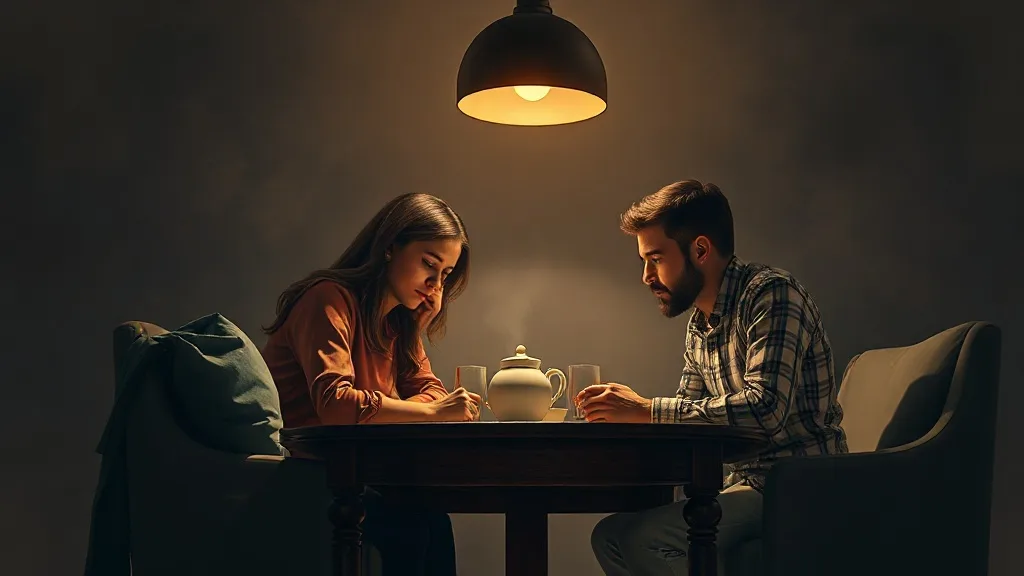
It feels like standing on the edge of a cliff, doesn't it? You're about to share something deeply personal, a fear, a hope, a past wound, and your heart is pounding. All you can think about is what if they laugh? What if they judge? Or worse, what if they leave? This terrifying sensation is the essence of vulnerability in relationships, and it’s something we all grapple with. Yet, despite the sheer terror it can evoke, cultivating genuine openness is not just beneficial—it’s absolutely non-negotiable for building the kind of deep, meaningful connections we all crave. It’s the secret sauce, the bedrock upon which true intimacy is built. You can’t have one without the other, plain and simple.
Unpacking the Fear: What Makes Emotional Openness So Scary?
Honestly, the fear isn't irrational. We're wired for self-preservation, and letting someone see our raw, unedited selves feels like stripping away our armor. From childhood, many of us learn that showing weakness invites attack or ridicule. Maybe you were told to 'suck it up' or saw your parents hide their struggles. These early experiences hardwire a belief that emotional exposure equals danger. It's a primal defense mechanism, a protective wall built over years of subtle and not-so-subtle cues.
Look, the stakes feel incredibly high when you’re talking about your closest relationships. A 2023 study published in the Journal of Social Psychology and Personality Science (n=600 adults) specifically highlighted that individuals with higher levels of attachment anxiety perceived vulnerable acts as carrying significantly greater risks of rejection and abandonment. Sound familiar? It’s not just about one bad experience; it’s about a lifetime of potential hurts, both real and imagined, that stack up and make us hesitant to fully drop our guard. We become masters of deflection, using humor, anger, or busyness to avoid those uncomfortable, authentic moments.
📖 Recommended: High-Yield Savings Accounts: How to Make Your Money Work While You Sleep
Here’s the thing: while that fear is real, it’s also often disproportionate to the actual risk in healthy relationships. A partner who loves and respects you isn't looking for flaws to exploit; they're looking for connection. The apprehension, however, is a powerful force, frequently leading to self-sabotage where we push people away before they even get close enough to hurt us. It's a cruel irony, isn't it? We crave connection, but our fear of it drives us to erect formidable barriers, preventing the very intimacy we desire.
The Science of Connection: What Research Actually Shows
It’s not just a warm, fuzzy feeling—there’s solid science behind the power of vulnerability in relationships. Research consistently demonstrates that genuine openness is a cornerstone of robust, satisfying connections. For instance, a seminal 2003 study by Aron et al., published in the Personality and Social Psychology Bulletin, showed that mutual self-disclosure, a key component of vulnerability, significantly increased feelings of closeness and intimacy between participants. They found that structured, reciprocal sharing exercises could even create strong bonds between strangers in a short period, illustrating its fundamental role in human connection.
Furthermore, attachment theory provides a powerful lens through which to view this dynamic. Individuals with secure attachment styles, developed through consistent and responsive caregiving, are generally more comfortable with emotional vulnerability. They trust that their partners will respond positively to their needs and disclosures. Conversely, those with insecure attachment styles often struggle profoundly. A paper by Hazan and Shaver in 1987, a foundational work in attachment research, highlighted how adult romantic relationships mirror early parent-child bonds, influencing our capacity for and comfort with intimacy and emotional exposure. This framework helps us understand why some find it easier to open up than others, directly impacting how we approach vulnerability in relationships. You can delve deeper into attachment styles and their impact on relationships via Psychology Today's resources.
The benefits extend beyond individual relationships. Research on couples has shown that higher levels of perceived partner responsiveness—the feeling that your partner understands, validates, and cares for you—is a direct outcome of vulnerable communication. This responsiveness, in turn, is associated with greater relationship satisfaction, commitment, and longevity. The American Psychological Association's topics on relationships frequently emphasize the role of open communication and emotional expression in fostering healthy bonds. Moreover, studies have even linked vulnerability with improved mental health outcomes, as authentic self-expression reduces the burden of emotional suppression, a known contributor to anxiety and depression. Understanding the mental health benefits of open communication can be explored further through Harvard Health's mental health resources.
Building Bridges: How to Cultivate Vulnerability in Your Relationships
- Start Small: Don't jump straight to your deepest trauma. Begin by sharing a minor insecurity, a small worry about work, or a slightly embarrassing anecdote. Gradually increase the depth as trust builds.
- Choose Your Moments Wisely: Pick a calm, unhurried time when both you and your partner can give full attention. Avoid heavy conversations when one of you is stressed, distracted, or rushing out the door.
- Practice Self-Compassion: It’s okay if opening up feels awkward or scary. Acknowledge your fear without letting it stop you. Be kind to yourself through the process, understanding it's a journey, not a destination.
- Communicate Your Needs: Before you share something difficult, you might say, “I need to tell you something that makes me feel a little vulnerable. Can you just listen?” This sets expectations and creates a safer space.
- Listen Actively in Return: Vulnerability is a two-way street. When your partner shares, practice active listening—make eye contact, nod, reflect what you hear, and validate their feelings.
- Reflect on Responses: Pay attention to how your partner responds. Do they meet your vulnerability with empathy or judgment? Positive responses encourage more openness, while negative ones teach you where boundaries might be needed.
- Set Healthy Boundaries: Vulnerability doesn’t mean sacrificing your entire self. Understand your limits and communicate them. It's about sharing what feels right, not oversharing out of obligation or desperation.
Debunking the Doubts: Common Myths About Opening Up
Myth: Vulnerability makes you look weak. Reality: Honestly, it’s the opposite. True strength lies in being able to admit imperfections, fears, and needs. Hiding your authentic self is a constant, draining effort. When you’re vulnerable, you're displaying immense courage, demonstrating that you trust your partner and yourself enough to be fully seen. People don’t actually respect those who pretend to be perfect; they connect with those who are real, flaws and all. It’s a powerful act of self-acceptance, not weakness.
Myth: If my partner truly loves me, they'll just know what I need. Reality: Nope, they won’t. Your partner is not a mind reader, no matter how much they love you. Expecting them to intuit your deepest thoughts and feelings puts an unfair and impossible burden on them. Clear, vulnerable communication is the only way for your partner to truly understand your inner world, your wants, and your boundaries. Without you opening up and articulating these things, they’re left guessing, which often leads to misunderstandings, frustration, and resentment, eroding the very foundation of your connection.
Myth: Once I'm vulnerable, I'll be hurt. Reality: This is a risk, I won't lie. Not every person you open up to will handle it with grace or care, especially if you’re still learning to discern healthy relationships. However, the potential for hurt doesn't negate the necessity of vulnerability in relationships. In healthy relationships, the risk of hurt is balanced by the much greater reward of profound connection, acceptance, and love. It’s about choosing to be brave in the face of uncertainty, understanding that the only way to truly connect is to be open, and learning to build discernment about who you share with.
Frequently Asked Questions
Is vulnerability always a good thing in relationships?
While crucial for deep connection, vulnerability must be balanced with discernment. It’s most effective in relationships where trust is established and your partner has demonstrated empathy and respect. Unchecked vulnerability with an untrustworthy individual can lead to exploitation or further hurt, so context and safety are paramount.
How do I know if my partner is a safe person to be vulnerable with?
Look for consistent signs of empathy, active listening, and non-judgmental responses over time. A safe partner respects your boundaries, keeps your confidences, and makes you feel understood and supported, even when you express difficult emotions. Their actions should consistently align with their words of care.
What if I've been hurt by vulnerability in the past?
Past hurts understandably make opening up terrifying. It’s vital to acknowledge those wounds and perhaps seek support from a therapist to process them. When you're ready, start with small, low-stakes disclosures in new or existing relationships, carefully observing your partner's response. Building trust takes time, especially after prior negative experiences.
Can too much vulnerability be detrimental?
Yes, excessive or inappropriately timed vulnerability, often termed 'oversharing,' can sometimes overwhelm a partner or blur healthy boundaries, especially early in a relationship. It's about intentional and reciprocal sharing that deepens connection, not offloading all emotional burdens onto another person without their consent or capacity.
The Bottom Line
Opening yourself up, truly, deeply, to another person is one of the bravest acts you can undertake. It demands courage, self-awareness, and a willingness to sit with discomfort. The fear of rejection or judgment is natural, a protective instinct honed over years. But the truth is, without embracing vulnerability in relationships, you're settling for a diluted version of connection, a shallow echo of what true intimacy could be. Real love thrives in the spaces where we dare to be seen, imperfections and all. So, take that scary step, share a piece of your authentic self, and watch as your relationships transform into something richer, deeper, and infinitely more fulfilling. It won't always be easy, but it will always be worth it.