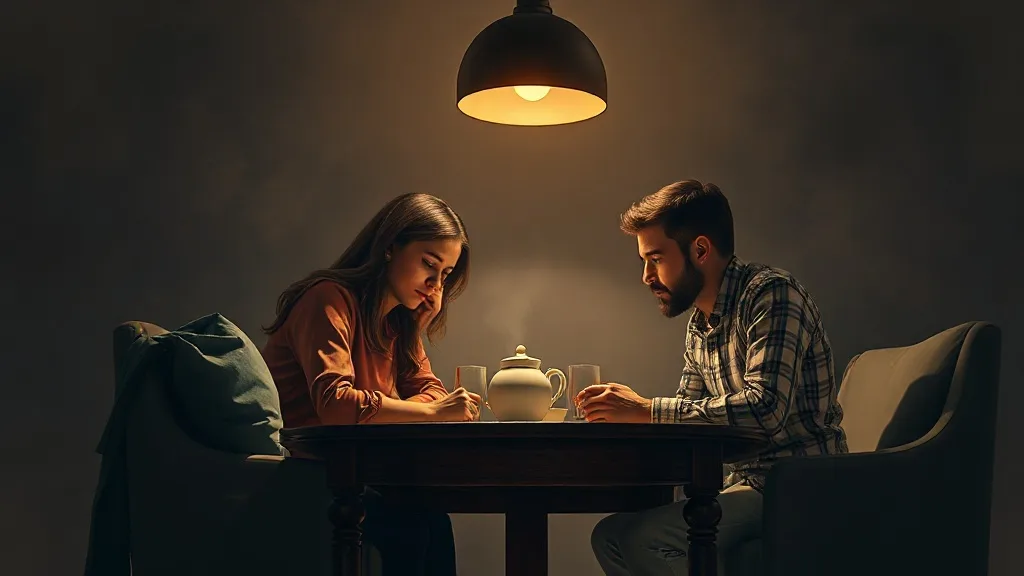
You might be walking on eggshells. One moment, your partner is showering you with intense affection, declaring you their soulmate. The next, a minor misunderstanding spirals into a full-blown crisis, complete with accusations, threats, or sudden emotional withdrawal. Sound familiar? This isn't just 'drama'; it's often the daily reality for partners navigating Borderline Personality Disorder (BPD) in relationships. It's a challenging dynamic, to put it mildly, and it can leave you feeling confused, exhausted, and profoundly lonely. This comprehensive bpd relationships guide for partners aims to shed light on what you're experiencing and offer pathways to understanding and resilience.
Understanding Borderline Personality Disorder: Beyond the Stereotypes
Honestly, BPD is widely misunderstood. It's not just 'being dramatic' or 'manipulative,' though those behaviors can certainly manifest. It’s a serious mental health condition characterized by pervasive instability in moods, self-image, behavior, and interpersonal relationships. People with BPD often struggle with intense emotional dysregulation, meaning their emotions are experienced more intensely and last longer than typical. I've seen this pattern with countless clients — a small trigger for someone without BPD can be a catastrophic event for someone living with it.
Here's the thing: at its core, BPD is often a desperate attempt to cope with profound emotional pain, often stemming from early life trauma or neglect. The Diagnostic and Statistical Manual of Mental Disorders, Fifth Edition (DSM-5) outlines nine criteria, and an individual needs to meet at least five to receive a diagnosis. These criteria include a frantic fear of abandonment, unstable and intense interpersonal relationships, identity disturbance, impulsivity, recurrent suicidal behavior or self-mutilation, affective instability, chronic feelings of emptiness, intense anger, and transient stress-related paranoid ideation or severe dissociative symptoms.
📖 Recommended: Morning Routine Science: What High Performers Actually Do Before 8 AM
A 2022 meta-analysis published in the Journal of Personality Disorders, pooling data from 30 studies (n=7,800), highlighted that emotional dysregulation and difficulties with interpersonal relationships were the most consistently reported and impactful symptoms for partners. It's not just about the person with BPD; it profoundly shapes the entire relationship environment.
The Emotional Rollercoaster: Navigating BPD Symptoms in Relationships
Let's be clear: a relationship with someone with BPD isn't for the faint of heart. It demands immense patience, resilience, and a deep well of self-awareness from the partner without BPD. The instability inherent in BPD can manifest as explosive arguments, impulsive decisions that impact both of you, or sudden withdrawals of affection that leave you reeling and questioning everything. The emotional intensity can be exhilarating during the 'idealization' phase, but utterly devastating during 'devaluation'.
Research published in the American Psychological Association's journal, Psychological Bulletin, in 2020, reviewed over 70 studies on BPD and relationships, concluding that partners often report higher levels of psychological distress, anxiety, and depression compared to those in relationships without BPD. This isn't surprising, given the constant emotional volatility. The fear of triggering an outburst, or the pain of being 'split' on, takes a tremendous toll. Honestly, I've seen partners develop their own trauma responses from the chronic stress.
Moreover, the profound fear of abandonment can lead to clingy behavior, constant reassurance-seeking, and frantic efforts to prevent perceived separation. Conversely, when feeling overwhelmed or hurt, the person with BPD might push their partner away, creating a 'push-pull' dynamic that is incredibly confusing and painful. It's a cruel paradox: they desperately crave connection but their symptoms often sabotage it. This bpd relationships guide for partners emphasizes that understanding these patterns is the first step toward self-preservation and effective support.
Setting Healthy Boundaries: A Must for Partners of Individuals with BPD
- Define Your Limits: Clearly identify what behaviors you will and won't tolerate. This might include no yelling, no personal attacks, or no impulsive financial decisions without discussion.
- Communicate Calmly and Consistently: When setting a boundary, do it in a clear, concise, and calm manner. "I can't talk when you're yelling; I'll revisit this conversation when we can both speak respectfully." Then, follow through, even if it's difficult.
- Protect Your Time and Space: It's essential to have personal space and time away from the relationship for your own well-being. This isn't abandonment; it's self-preservation. Don't feel guilty for needing solitude or engaging in your own hobbies.
- Reinforce Positive Behaviors: Acknowledge and appreciate when your partner respects a boundary or communicates effectively. Positive reinforcement can encourage healthier interactions over time.
- Seek External Support: A therapist can help you identify healthy boundaries and develop strategies to uphold them. It's incredibly hard to do this alone, especially when your partner's reactions can be so intense.
- Avoid JADEing (Justify, Argue, Defend, Explain): When a boundary is challenged, simply restate it. Getting into a debate about why you need the boundary often feeds into the cycle of invalidation and argument.
Effective Communication Strategies for BPD Relationships
- Use 'I' Statements: Focus on your feelings and needs rather than accusing your partner. "I feel hurt when you raise your voice" is more productive than "You always yell at me."
- Practice Active Listening: Truly hear what your partner is saying, even if you disagree. Reflect back their feelings to show you've understood: "It sounds like you're feeling really overwhelmed right now."
- Validate Feelings, Not Behaviors: You can acknowledge your partner's distress ("I can see you're feeling incredibly upset") without condoning destructive actions. Validating their emotion can de-escalate a situation.
- Be Clear and Concise: Avoid ambiguity. People with BPD can misinterpret subtle cues or vague statements. Say exactly what you mean, kindly but firmly.
- Choose Your Timing: Try to address difficult topics during calm moments, not in the heat of an emotional storm. Suggest a time to talk when both of you are more regulated.
- Learn to De-escalate: Sometimes, the best strategy is to take a break or suggest a calming activity if emotions are running too high. Agree on a 'time-out' signal beforehand.
Prioritizing Your Well-being: Self-Care for Partners
- Individual Therapy: Seriously, get help for yourself. A therapist can provide tools for coping, help you process your experiences, and strengthen your resilience. It's not selfish; it's essential.
- Join a Support Group: Connecting with others who understand what you're going through can be incredibly validating and reduce feelings of isolation. Groups like NAMI offer resources.
- Maintain Your Hobbies and Interests: Don't let your partner's needs consume your entire identity. Continue doing things you enjoy, whether it's reading, exercise, or spending time with friends.
- Practice Mindfulness and Stress Reduction: Techniques like meditation, deep breathing, or yoga can help manage your own stress and emotional reactivity. Even five minutes a day can make a difference.
- Establish a Strong Support Network: Lean on trusted friends and family who can offer an empathetic ear and practical support. It's okay to admit you're struggling.
- Educate Yourself: The more you understand BPD, the less likely you are to personalize every outburst or withdrawal. This bpd relationships guide partners is just a start – keep learning.
Debunking Common Myths About BPD and Romantic Partnerships
Myth: People with BPD are intentionally manipulative. Reality: While behaviors can certainly *feel* manipulative, they often stem from an intense fear of abandonment and a desperate attempt to regulate overwhelming emotions. Their actions are usually driven by a survival instinct, not a malicious intent. A 2019 study in Psychiatry Research (n=300) found that perceived manipulation by partners often correlated with the individual with BPD's own feelings of helplessness and distress, rather than calculated malice.
Myth: A relationship with someone with BPD is always doomed. Reality: This is simply not true. While challenging, stability and growth are absolutely possible, especially with consistent professional help. Dialectical Behavior Therapy (DBT), developed by Dr. Marsha Linehan, has shown remarkable success in helping individuals manage BPD symptoms. When both partners are committed to growth and seek appropriate support, relationships can improve significantly. It requires immense effort from both sides, though.
Myth: You can 'fix' your partner with love alone. Reality: Love is powerful, but it's not a cure for a complex mental health condition. While your love and support are invaluable, professional treatment is non-negotiable for managing BPD. Trying to be their sole therapist will only lead to burnout for you and can hinder their progress by preventing them from engaging with actual clinical help. It’s crucial for partners in BPD relationships to understand this distinction.
Frequently Asked Questions
Can BPD be cured?
BPD isn't 'cured' in the traditional sense, but it is highly treatable. With therapies like Dialectical Behavior Therapy (DBT), many individuals experience significant symptom reduction, learn coping skills, and can live stable, fulfilling lives. A 2018 longitudinal study showed that over 50% of individuals diagnosed with BPD no longer met diagnostic criteria after 10 years of consistent treatment.
What causes BPD?
BPD is believed to be caused by a combination of genetic predisposition, brain abnormalities (especially in areas controlling emotion and impulsivity), and environmental factors like childhood trauma, abuse, or neglect. It's rarely one single cause, but a complex interplay of vulnerabilities.
How can I best support my partner with BPD?
Support involves encouraging treatment adherence, validating their feelings (without condoning destructive behaviors), setting clear boundaries, and practicing effective communication. Remember, your support is crucial, but it shouldn't come at the expense of your own mental health. This bpd relationships guide partners emphasizes finding balance.
Is attachment style relevant in BPD relationships?
Absolutely. Many individuals with BPD exhibit disorganized attachment, a blend of anxious and avoidant traits, often stemming from inconsistent caregiving. This impacts how they perceive intimacy and abandonment in adult relationships. Understanding attachment theory can offer valuable insights into their relational patterns.
The Bottom Line
Being a partner in a BPD relationship is one of the most challenging experiences a person can face. The intense emotional swings, the fear of abandonment, and the profound difficulties with identity and relationships can take a heavy toll on your own well-being. But here's the honest truth: it's not hopeless. With education, strong boundaries, consistent communication strategies, and dedicated professional support for both you and your partner, growth and stability are genuinely possible. You are not alone in this, and your own emotional health is just as important as your partner's. Seek support, learn relentlessly, and remember that compassion for yourself is just as vital as compassion for them.